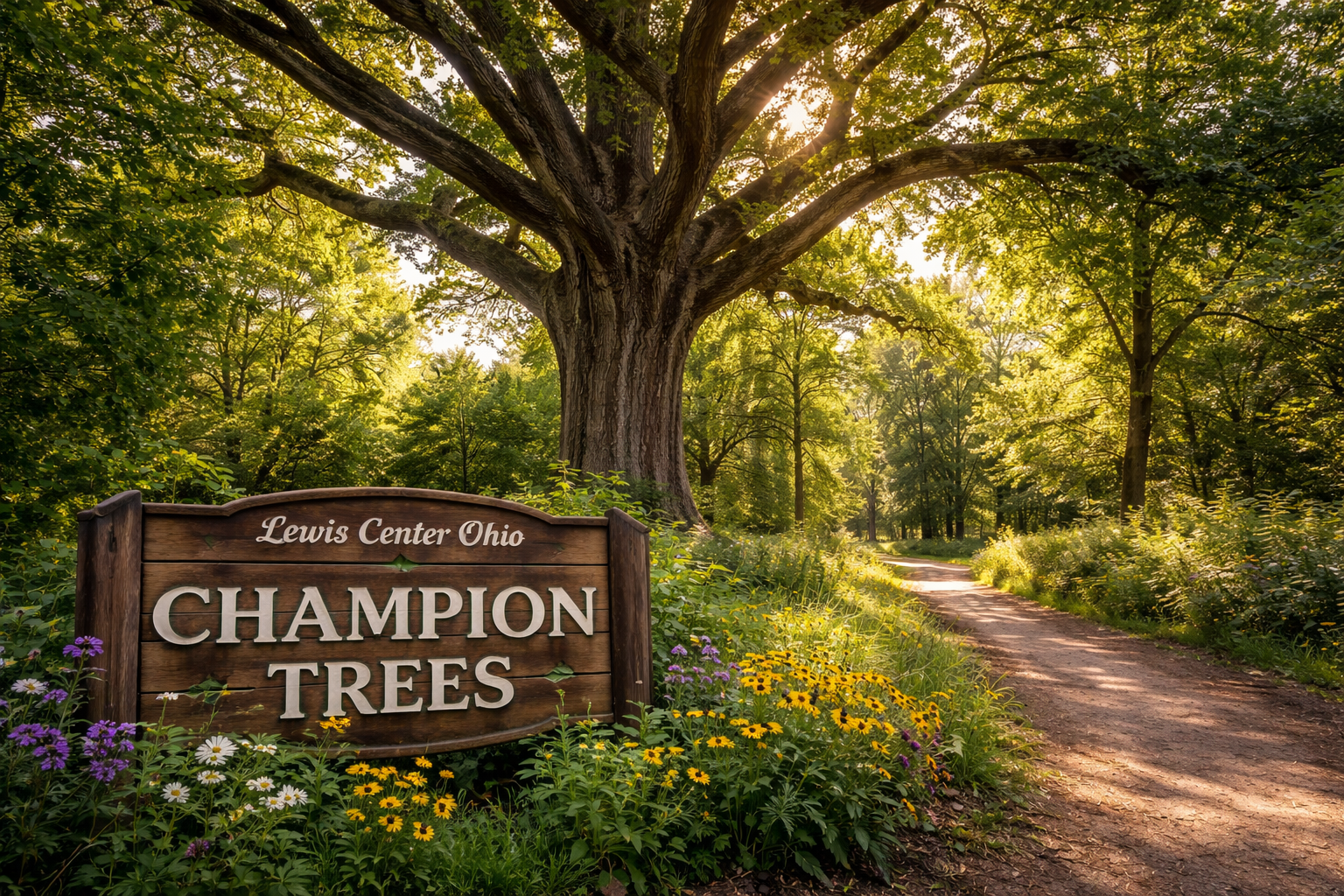
Lewis Centers, Ohio is often recognized for its growing neighborhoods, natural preserves, and strong sense of community, but one of its most remarkable and lesser-known treasures lies quietly within its landscape: champion treesThese trees are not ordinary examples of local vegetation. They represent the largest, tallest, or most historically significant specimens of their species within a defined region, and in many cases, they have stood for generations as living witnesses to environmental change, human settlement, and ecological balance. Champion trees in Lewis Center are symbols of endurance, biodiversity, and environmental heritage, offering both educational and emotional value to residents and visitors alike.
Champion trees are usually identified through a combination of measurements including height, trunk circumference, and crown spread. When a tree outperforms others of the same species in these measurements, it may earn the status of a champion. In Lewis Center, these trees are often found in parks, preserved woodlands, private properties, and occasionally along historic routes where land development spared them. Their presence enhances the ecological character of the area while also serving as landmarks that connect modern life with the region’s natural past.
Understanding the Concept of Champion Trees
The idea of champion trees is rooted in the recognition of exceptional natural growth. Rather than focusing on age alone, the champion designation highlights overall size, health, and structural dominance. In Lewis Center, Ohios, champion trees reflect the area’s favorable growing conditions, including fertile soil, moderate rainfall, and a climate that supports both hardwood and softwood species. These trees demonstrate what is possible when nature is allowed time and space to flourish without excessive disturbance.
Champion trees are often cataloged and celebrated because they offer insights into environmental history. Their growth rings can reveal patterns of drought, flood, and climate shifts, while their size indicates decades or even centuries of survival. In Lewis Center, the presence of champion trees underscores the importance of conservation-minded planning, especially as residential and commercial development continues to expand.
Historical Roots of Lewis Center’s Natural Landscape
Before Lewis Center became a suburban community, the land was dominated by forests, wetlands, and open meadows. Early settlers cleared large portions of these forests for agriculture and construction, but some trees were spared either intentionally or by chance. These surviving giants gradually became the foundation for what we now recognize as champion trees.
Many of Lewis Center’s oldest trees may have originated before the town itself was formally established. These trees would have provided shade, timber, and ecological support for early farming communities. Over time, as land use changed, the remaining mature trees gained significance not only for their size but also for their rarity. Champion trees thus represent a living connection between the past and present, reminding residents of the natural environment that once dominated the region.
Common Species Recognized as Champion Trees
Lewis Center Ohio champions trees come from a variety of species, particularly those native to central Ohio. These species have adapted well to the local environment and demonstrate remarkable longevity and resilience. While specific individual trees may vary, the following table highlights common species often associated with champion status in the area.
| Tree Species | Typical Characteristics | Ecological Value |
|---|---|---|
| White Oak | Massive trunk, wide crown, slow growth | Supports wildlife, long lifespan |
| American Beech | Smooth gray bark, dense canopy | Soil stabilization, shade |
| Sycamore | Large leaves, mottled bark | Flood tolerance, water regulation |
| Sugar Maple | Strong wood, vibrant fall color | Sap production, habitat support |
| Tulip Poplar | Tall, straight growth | Fast growth, pollinator friendly |
These species often reach champion size due to a combination of genetics and environmental conditions. In Lewis Center, mature soils and protected green spaces allow these trees to develop extensive root systems and broad canopies.
Ecological Importance of Champion Trees
Champion trees play a vital role in maintaining ecological balance. Their large canopies provide shade that regulates ground temperature, reduces soil erosion, and supports understory plants. In Lewis Center, Ohio, where suburban development can increase heat retention, these trees act as natural cooling systems that benefit both wildlife and human residents.
The ecological influence of a single champion tree can extend far beyond its trunk. Birds use these trees for nesting, insects rely on their leaves and bark, and mammals find shelter within their roots or branches. Additionally, champion trees improve air quality by filtering pollutants and producing oxygen at a higher rate than younger or smaller trees. Their ability to store carbon also contributes to climate regulation on a local scale.
Champion Trees and Community Identity
In Lewis Center, champion trees are more than natural features; they are part of the community’s identity. Residents often associate certain trees with memories, such as childhood play, seasonal celebrations, or family gatherings. When a tree becomes recognized as a champion, it gains symbolic importance and often becomes a point of local pride.
Community awareness of champion trees encourages stewardship and respect for natural spaces. Schools, environmental groups, and local organizations may use these trees as educational tools to teach about biology, conservation, and sustainability. By highlighting champion trees, Lewis Center reinforces the idea that progress and preservation can coexist.
Measurement and Recognition Process
Champion trees are typically identified through a standardized measurement process. This involves calculating a score based on trunk circumference, height, and crown spread. In Lewis Center, individuals interested in tree conservation often collaborate with arborists or environmental groups to document and nominate trees for recognition.
The process encourages public engagement with the natural environment. Residents who participate gain a deeper understanding of tree biology and the importance of long-term care. Recognition also helps protect trees by raising awareness of their value, making it less likely that they will be removed during development or landscaping projects.
Conservation Challenges in a Growing Area
As Lewis Center continues to develop, champion trees face challenges related to construction, soil compaction, and changing water patterns. Large trees are particularly sensitive to root disturbance, and even small changes in surrounding land use can affect their health. Protecting champion trees requires careful planning and cooperation between property owners, developers, and environmental advocates.
Conservation strategies often include establishing buffer zones around tree roots, limiting heavy machinery near tree bases, and monitoring tree health regularly. In Lewis Center, these practices are essential for ensuring that champion trees remain standing for future generations. Preservation efforts not only protect individual trees but also maintain the ecological integrity of the surrounding area.
Educational and Cultural Value
Champion trees in Lewis Center offer valuable opportunities for education. They serve as real-world examples of environmental science concepts such as growth patterns, ecosystems, and climate adaptation. Educators can use these trees to inspire curiosity and appreciation for nature among students of all ages.
Culturally, champion trees represent continuity and stability. In a rapidly changing world, these trees remind communities of the importance of patience, care, and respect for natural processes. Celebrating champion trees fosters a sense of responsibility and connection to the land.
Role of Private Landowners
Many champion trees in Lewis Center exist on private property, making landowners key partners in conservation. When property owners understand the significance of these trees, they are more likely to invest in proper care and protection. This includes consulting certified arborists, avoiding unnecessary pruning, and maintaining healthy soil conditions.
Private stewardship complements public conservation efforts and expands the network of protected natural landmarks. In Lewis Center, collaboration between homeowners and environmental organizations strengthens the overall approach to preserving champion trees.
Future Outlook for Champion Trees in Lewis Center
The future of champion trees in Lewis Center depends on continued awareness, education, and proactive planning. As the population grows, integrating green infrastructure into development projects will be crucial. Champion trees can serve as focal points for parks, trails, and community spaces, enhancing quality of life while preserving natural heritage.
By recognizing and valuing champion trees today, Lewis Center can ensure that these giants continue to thrive. Their presence will not only beautify the landscape but also provide ecological services, historical continuity, and inspiration for generations to come.
Frequently Asked Questions
What makes a tree a champion tree in Lewis Center, Ohio?
A champion tree is recognized based on its exceptional size, including height, trunk circumference, and crown spread compared to other trees of the same species within the region. These measurements highlight the tree’s overall dominance and health.
Are champion trees always very old?
While many champion trees are old, age alone does not define champion status. Some trees achieve large size relatively quickly due to ideal growing conditions, strong genetics, and minimal environmental stress.
Where can champion trees be found in Lewis Center?
Champion trees may be found in parks, preserved woodlands, residential properties, and undeveloped natural areas. Their locations vary, and some may not be publicly accessible.
Why are champion trees important to the local environment?
Champion trees support wildlife, improve air quality, regulate temperature, prevent soil erosion, and store carbon. Their ecological impact is significantly greater than that of smaller or younger trees.
How can residents help protect champion trees?
Residents can support conservation by respecting tree protection zones, promoting awareness, participating in local environmental initiatives, and consulting professionals when caring for large or historic trees.