
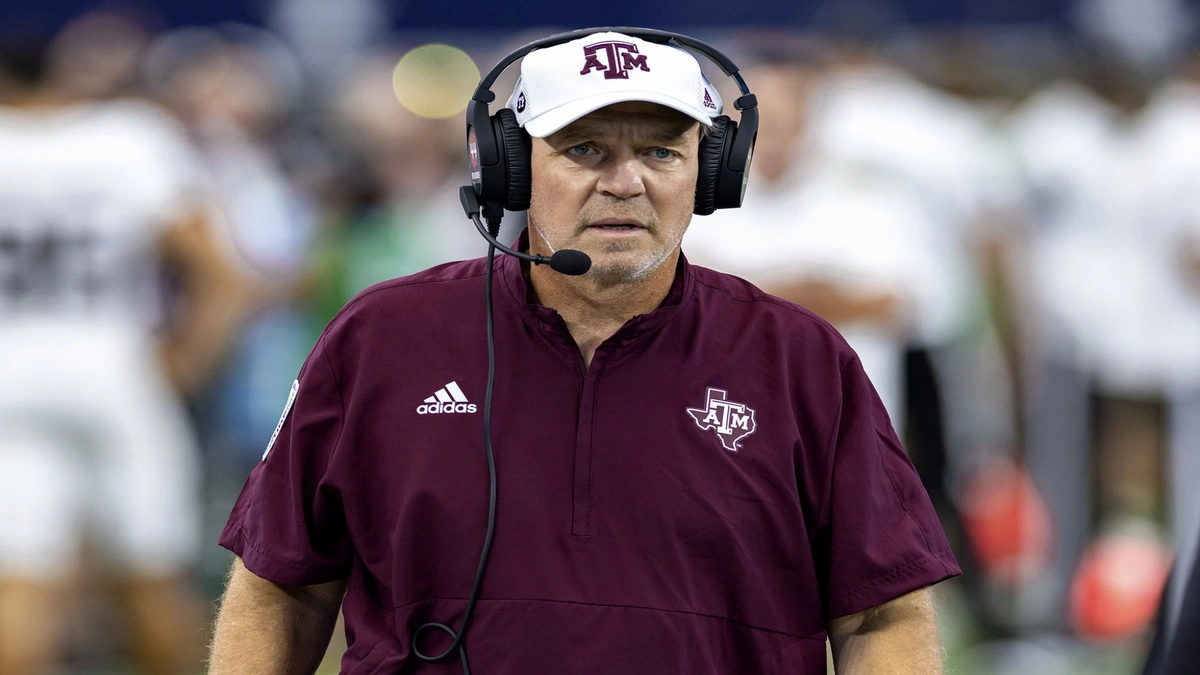
I begin this story with a sense of perspective because college football is not only about wins and losses. It is about leadership, systems, pressure, and identity. When I look at the modern era of college football coaching, few names spark as much debate, admiration, and scrutiny as Jimbo Fisher. His journey from a small town upbringing to the highest levels of the sport reflects both the promise and volatility of elite college athletics.
Early Life and Playing Background
I often find that understanding a coach starts with understanding where he came from. Jimbo Fisher was born in West Virginia, a state where football is woven into community life. Growing up in Clarksburg, he developed an early connection to the game that went beyond recreation. Football became structure, discipline, and aspiration.
As a player, Jimbo Fisher was a quarterback at Samford University. He was not a national star, but he was a student of the game. Even during his playing days, teammates and coaches noticed his interest in play design, preparation, and decision making. That curiosity later became the foundation of his coaching identity.
Transition From Player to Coach
I see Fisher’s transition into coaching as a classic example of someone who understood his long term path early. Shortly after finishing his playing career, he moved into graduate assistant roles, learning the details of recruiting, film study, and offensive organization.
His early coaching stops included Samford, Auburn, and Cincinnati, where he worked under experienced staff members. Each role sharpened his understanding of quarterback development and offensive structure. These formative years shaped the system he would later become known for.
Rise Under Nick Saban
I believe one of the most defining chapters of Fisher’s career came when he joined the staff at LSU under Nick Saban. Serving as offensive coordinator and quarterbacks coach, Fisher played a critical role in LSU’s 2003 national championship season.
Working alongside Saban exposed Fisher to elite program building. He learned how attention to detail, recruiting discipline, and organizational control could elevate a program to championship standards. This experience would later influence how Fisher structured his own teams.
Head Coaching Breakthrough at Florida State
I remember how significant Fisher’s hiring at Florida State felt at the time. Taking over for the legendary Bobby Bowden was no small task. Expectations were immense, and skepticism was natural.
Fisher approached the role with confidence and intensity. He modernized the offense while maintaining the program’s physical identity. Recruiting improved quickly, and player development accelerated.
The 2013 National Championship
I view the 2013 season as the defining peak of Jimbo Fisher’s career. Led by quarterback Jameis Winston, Florida State completed a perfect season and won the national championship.
That team combined explosive offense with disciplined defense. Fisher’s ability to develop Winston, manage a talented roster, and navigate pressure cemented his reputation as an elite coach. At that moment, he stood at the top of college football.
Offensive Philosophy and Scheme
I often describe Fisher as a coach who values structure over simplicity. His offensive system is complex, rooted in pro style concepts, layered route combinations, and detailed pre snap reads.
Quarterbacks in his system are expected to master protections, progressions, and situational awareness. This approach has produced NFL ready signal callers, but it also demands time and patience. When execution falters, critics point to the system’s complexity as a weakness.
Recruiting Approach and Player Development
I have observed that recruiting has always been central to Fisher’s success. He prioritizes relationships, positional fit, and long term development rather than quick fixes.
At Florida State and later at Texas A&M, he consistently landed top ranked recruiting classes. His ability to sell vision and opportunity helped him compete with the sport’s biggest brands. However, recruiting success also amplified expectations, particularly when on field results did not align.
Move to Texas A&M
I remember the shockwaves across college football when Fisher accepted the head coaching job at Texas A&M. The contract was historic, reflecting the university’s ambition and belief that Fisher could deliver a national title.
Building a Program in the SEC
I see Fisher’s tenure at Texas A&M as both ambitious and turbulent. Competing in the Southeastern Conference requires depth, consistency, and adaptability.
Fisher inherited a talented roster but faced the challenge of competing against Alabama, LSU, and other SEC powers annually. His early seasons showed promise, including a strong 2020 campaign, but inconsistency soon followed.
Challenges and Criticism
I think it is important to address the criticism directly. Fisher’s later years at Texas A&M were marked by offensive struggles, quarterback injuries, and questions about adaptability.
Critics argued that his system had not evolved with modern spread trends. Supporters countered that execution, not philosophy, was the issue. This tension defined much of the public conversation around his coaching.
Leadership Style and Personality
I perceive Fisher as an intense and demanding leader. He expects precision and accountability, and he does not shy away from confrontation. This style resonates with some players and staff members while challenging others.
His press conferences often reflect his competitive nature. He defends his program fiercely and resists simplified narratives. That authenticity, while polarizing, is part of his identity.
Legacy in College Football
I believe Jimbo Fisher’s legacy is still being written. He is a national championship coach, a proven recruiter, and a developer of NFL talent. At the same time, his career illustrates how rapidly college football evolves and how difficult sustained success can be.
His influence on offensive strategy, quarterback development, and program building will continue to shape the sport long after his coaching days end.
Life Beyond the Sidelines
I also think it matters to acknowledge Fisher as more than a coach. He has spoken openly about family, personal challenges, and resilience. These moments humanize a figure often defined only by wins and losses.
Conclusion
I step back from Jimbo Fisher’s career with a sense of balance rather than absolutes. His story is not a straight line of dominance, nor is it a tale of simple decline. It is a portrait of a coach who reached the highest peak college football can offer and then spent years navigating the sport’s shifting demands, expectations, and pressures.
I see Jimbo Fisher as proof that championships do not freeze time. The game evolves, players change, systems are questioned, and past success becomes both a credential and a burden. Winning a national title placed him among the elite, but it also ensured that every subsequent season would be measured against perfection.
FAQs
1. What is Jimbo Fisher best known for
I associate Jimbo Fisher most strongly with winning the 2013 national championship at Florida State and developing elite quarterbacks.
2. Has Jimbo Fisher coached in the NFL
I can confirm that Jimbo Fisher has not served as an NFL head coach. His career has been rooted in college football.
3. What offensive system does Jimbo Fisher run
I describe his offense as a pro style system with complex route trees, heavy play action, and detailed quarterback responsibilities.
4. Why did Jimbo Fisher leave Florida State
I understand his departure as a combination of new challenges, financial opportunity, and the desire to compete in the SEC.
5. Was Jimbo Fisher successful at Texas A&M
I would characterize his tenure as mixed. He achieved recruiting success and notable wins, but consistency and championship contention remained elusive.