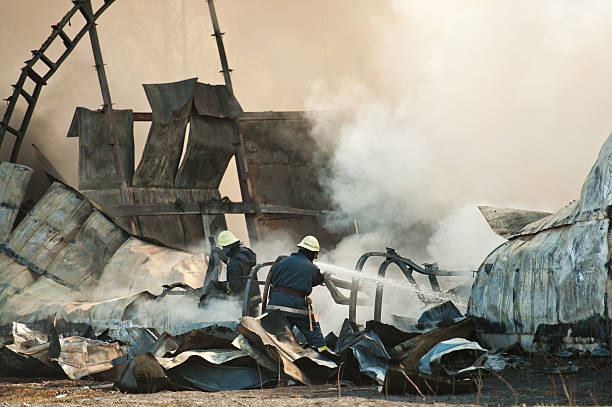
A plane crash is one of the most dramatic and devastating events in modern transportation. Despite significant advances in aviation technology, aircraft accidents still occur, although their frequency has decreased dramatically over the decades. Understanding plane crashes involves analyzing the causes, examining safety procedures, evaluating aircraft design, and learning from past incidents to prevent future tragedies. This article provides a detailed look into plane crashes, their causes, investigations, and the advancements in aviation safety that have emerged from studying these catastrophic events.
What is a Plane Crash?
A plane crash refers to an unplanned and often catastrophic event in which an aircraft impacts the ground or another object, resulting in damage, injury, or loss of life. These incidents range from minor hard landings with no fatalities to large-scale accidents that claim hundreds of lives. While the word “crash” evokes images of disaster, aviation statistics show that commercial air travel remains one of the safest forms of transportation.
Plane crashes can occur in various environments, including:
- Over land during takeoff, landing, or flight.
- Over water, where rescue and recovery can be particularly challenging.
- In remote or mountainous regions, complicating rescue efforts.
Historical Context of Plane Crashes
Since the first powered flight by the Wright brothers in 1903, aviation has experienced a series of accidents that have shaped safety protocols and technology. Early aviation saw frequent crashes due to mechanical failures, poor weather prediction, and limited pilot training. However, as aviation matured, so did safety measures.
Significant historical plane crashes have highlighted the need for enhanced safety:
- Tenerife Airport Disaster (1977): A runway collision between two Boeing 747s killed 583 people, highlighting the importance of air traffic control and communication.
- American Airlines Flight 191 (1979): Engine detachment during takeoff caused the death of 273 people, emphasizing aircraft maintenance protocols.
- Air France Flight 447 (2009): A crash over the Atlantic Ocean due to pilot error and icing conditions on sensors, showing the necessity of better training for handling rare in-flight scenarios.
These incidents prompted changes in aviation safety regulations, cockpit procedures, pilot training, and aircraft design standards worldwide.
Causes of Plane Crashes
Plane crashes usually result from a combination of factors rather than a single cause. They are often categorized into human error, mechanical failure, environmental factors, and sabotage or terrorism.
1. Human Error
Human error accounts for approximately 50-60% of all aviation accidents. It may involve:
- Pilot error, such as misjudging weather conditions or executing incorrect maneuvers.
- Air traffic controller mistakes, leading to miscommunication or runway incursions.
- Crew fatigue or mismanagement of emergency situations.
Table 1: Common Types of Human Errors in Aviation
| Error Type | Description |
|---|---|
| Pilot Misjudgment | Incorrect decisions in flight path, speed, or altitude |
| Navigation Errors | Mistakes in reading instruments or following flight routes |
| Communication Failure | Miscommunication between pilots or with air traffic control |
| Fatigue or Distraction | Impairment affecting decision-making and reaction time |
2. Mechanical Failures
Mechanical failures involve malfunctions in the aircraft’s systems or structure, including engines, hydraulics, or avionics. Advances in technology and maintenance practices have reduced mechanical failure risks significantly. However, unexpected failures still occur, especially in older aircraft.
Common mechanical issues leading to crashes include:
- Engine failure or fire during takeoff or flight.
- Structural failures like wing or fuselage breakage.
- Malfunctioning flight control systems.
3. Environmental Factors
Weather and natural phenomena play a critical role in aviation safety. Conditions such as storms, fog, ice, turbulence, and volcanic ash clouds can create hazardous flying conditions. Modern aircraft are equipped with radar, de-icing systems, and advanced navigation aids to mitigate these risks.
Environmental factors causing plane crashes:
- Severe thunderstorms or lightning strikes.
- Ice accumulation on wings and sensors.
- Strong crosswinds during takeoff or landing.
- Bird strikes causing engine failure.
4. Sabotage and Terrorism
Although less common, deliberate acts like hijackings, bombings, or cyberattacks have caused plane crashes. Notable examples include:
- Pan Am Flight 103 (1988) over Lockerbie, Scotland.
- 9/11 attacks on the United States (2001).
Security protocols at airports, reinforced cockpit doors, and passenger screening have significantly reduced such incidents in modern aviation.
The Process of Plane Crash Investigation
After a plane crash, aviation authorities conduct a thorough investigation to determine the cause and prevent future accidents. The investigation process involves several steps:
- Site Examination: Investigators collect evidence from the crash site, including wreckage, flight data recorders, and black boxes.
- Data Analysis: Flight data and cockpit voice recorders provide insights into aircraft performance and crew decisions.
- Weather Analysis: Meteorologists examine weather conditions at the time of the crash.
- Mechanical Examination: Engineers inspect aircraft components for failures or malfunctions.
- Human Factor Assessment: Evaluating pilot training, fatigue, and decision-making processes.
- Report and Recommendations: Authorities release a detailed report with safety recommendations to prevent future accidents.
Table 2: Key Organizations in Plane Crash Investigations
| Organization | Role |
|---|---|
| NTSB (USA) | Investigates civil aviation accidents in the United States |
| ICAO (International) | Provides global aviation safety standards |
| BEA (France) | Investigates accidents involving French aircraft |
| AAIB (UK) | UK authority for air accident investigation |
| Airline Safety Departments | Conduct internal investigation and implement corrective actions |
Aviation Safety Measures
Modern aviation is safer than ever due to extensive safety measures, rigorous training, and technology improvements. Key safety measures include:
1. Aircraft Design and Engineering
Modern aircraft are designed with redundancy in critical systems to prevent failures. For instance, planes have multiple engines, backup hydraulic systems, and reinforced fuselages.
2. Pilot Training and Simulation
Pilots undergo rigorous training, including:
- Simulator exercises for rare emergency scenarios.
- Crew Resource Management (CRM) to improve teamwork and decision-making.
- Continuous education on new technologies and safety protocols.
3. Air Traffic Control
Air traffic controllers ensure safe flight paths, proper separation between aircraft, and timely response to emergencies. The integration of radar, satellite navigation, and automated alert systems has reduced mid-air collisions.
4. Weather Monitoring Systems
Advanced meteorological monitoring helps pilots avoid dangerous weather. Real-time updates, onboard radar, and satellite tracking are critical for safe navigation.
5. Regulatory Oversight
Government and international agencies enforce strict safety standards for airlines, including regular inspections, maintenance checks, and pilot certification. These regulations are vital to maintaining safety in the aviation industry.
Famous Plane Crashes and Lessons Learned
Tenerife Airport Disaster (1977)
Two Boeing 747s collided on the runway due to miscommunication and poor visibility. The crash led to changes in standard communication protocols for pilots and controllers worldwide.
Air France Flight 447 (2009)
This crash over the Atlantic Ocean revealed issues with ice on sensors and pilot response to stall warnings. It led to better pilot training for handling high-altitude stalls and equipment updates.
Ethiopian Airlines Flight 302 (2019)
The crash of a Boeing 737 MAX highlighted software and sensor failures, resulting in global grounding of the aircraft and improvements in automated flight systems.
Plane Crash Statistics
According to aviation safety data:
- Commercial aviation accidents have decreased significantly over the last 50 years.
- The odds of dying in a plane crash are approximately 1 in 11 million.
- Human error is the leading cause, followed by mechanical failure and weather.
Table 3: Aviation Accident Statistics
| Cause of Crash | Percentage of Accidents |
|---|---|
| Human Error | 50–60% |
| Mechanical Failure | 20–25% |
| Weather | 10–15% |
| Sabotage/Terrorism | 1–5% |
| Other Factors | 5% |
Emergency Procedures During a Plane Crash
Passengers can improve survival chances by following safety guidelines:
- Always fasten seatbelts when seated.
- Locate emergency exits and read safety cards.
- Follow crew instructions during emergencies.
- Assume brace position during an imminent crash.
- Use life vests or rafts during water landings.
Psychological and Societal Impact of Plane Crashes
Plane crashes not only affect survivors but also families, communities, and society. Survivors may experience post-traumatic stress disorder (PTSD), anxiety, and depression. Communities often rally to provide support, and aviation authorities implement counseling programs for affected individuals.
Technological Advances to Prevent Crashes
Aviation safety continues to evolve through:
- Enhanced Flight Simulators: For realistic emergency training.
- Autonomous Systems: Reducing human error in critical moments.
- Predictive Maintenance: Using AI to detect potential mechanical issues.
- Global Tracking: Real-time monitoring of flights to prevent disappearances.
Conclusion
Plane crashes, while rare, have a profound impact on individuals and society. Through careful investigation, rigorous safety protocols, and continuous technological innovation, the aviation industry has made air travel safer than ever before. Understanding the causes of crashes—ranging from human error to mechanical failures and environmental challenges—helps aviation professionals prevent future incidents. Awareness, preparedness, and adherence to safety measures ensure that air travel remains one of the safest modes of transportation worldwide.
click here for more blogs posts
Frequently Asked Questions (FAQs)
Q1: What is the main cause of plane crashes?
A: Human error, including pilot mistakes and air traffic miscommunication, is the leading cause of plane crashes.
Q2: Are plane crashes common?
A: No, plane crashes are extremely rare, making air travel one of the safest transportation methods.
Q3: Can passengers survive a plane crash?
A: Yes, survival is possible, especially if passengers follow safety procedures and brace for impact.
Q4: How are plane crashes investigated?
A: Aviation authorities collect evidence, analyze black boxes, examine weather, and evaluate human factors to determine causes.
Q5: What measures prevent plane crashes today?
A: Modern aircraft design, pilot training, air traffic control, weather monitoring, and strict regulations ensure high safety standards.