When I explore the modern construction industry, I see a clear shift toward materials and technologies that combine efficiency, sustainability, and structural reliability. One of the most transformative developments in this space is cold-formed steel. Within this specialized field, professionals like Zsolt Nemedi and organizations such as Cold-Formed Steel Expert LLC have played an important role in advancing engineering practices and demonstrating the practical value of cold-formed steel systems in modern construction.
In this article, I examine the background of Cold-Formed Steel LLC, the professional contributions of Zsolt Nemedi, and the growing significance of cold-formed steel engineering in global construction. The discussion also covers the technology behind cold-formed steel, its advantages, its applications in architecture and structural design, and the broader impact of professionals who specialize in this engineering discipline.
Understanding Cold-Formed Steel in Construction
Before diving into the company and its leadership, it is important to understand what cold-formed steel actually is.
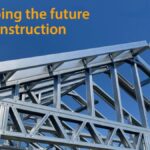
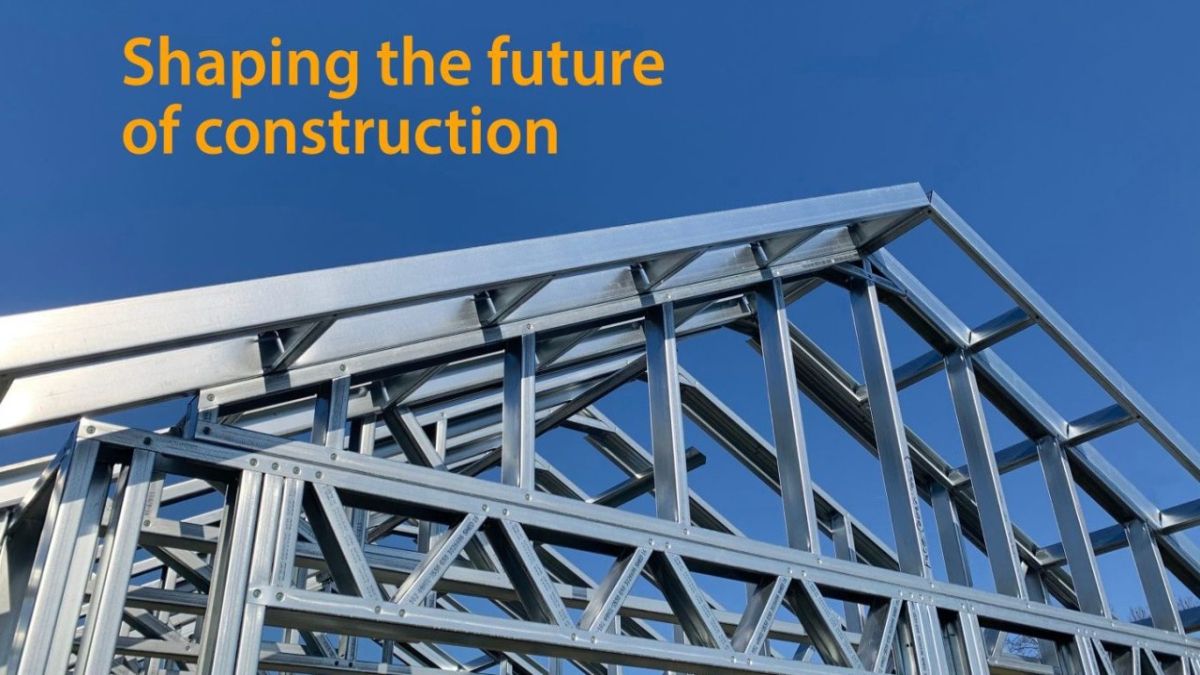
Cold-formed steel refers to thin sheets of steel that are shaped into structural components at room temperature. Instead of being heated and rolled like traditional steel beams, these sheets are bent into specific shapes such as C-sections, Z-sections, or custom profiles through mechanical forming processes.
Key Characteristics of Cold-Formed Steel
Cold-formed steel has several defining features that make it valuable in construction:
- Lightweight yet strong structural properties
- Consistent manufacturing quality
- Ease of prefabrication and modular assembly
- Resistance to pests, rot, and fire
- High recyclability and sustainability
These benefits have led to widespread adoption of cold-formed steel in residential, commercial, and industrial buildings worldwide.
The growing demand for efficient building materials has also created a specialized industry focused on design, engineering, and installation of cold-formed steel systems.
Overview of Cold Formed Steel Expert LLC Zsolt
Cold-Formed Steel Expert LLC is a specialized engineering and consulting company focused on cold-formed steel design and structural solutions. The company operates within the construction and structural engineering industry, particularly serving projects involving advanced steel framing systems.
The organization is associated with Zsolt Nemedi, who is recognized as a principal professional within the company and plays a central role in engineering and project development.
Core Services
Companies in this sector typically provide a range of services related to cold-formed steel construction, including:
- Structural engineering and design
- Steel framing system planning
- Construction consultation
- Architectural integration
- Project analysis and optimization
- Installation support
These services ensure that steel framing solutions are both structurally safe and economically efficient for building developers.
Who Is Zsolt Nemedi?
Zsolt Nemedi is a structural engineer known for his work in the cold-formed steel engineering field. His professional expertise involves structural design, steel framing systems, and advanced construction engineering.
He has been associated with Cold-Formed Steel Expert LLC, where he serves as a key engineering professional and executive contact.
Professional Credentials
Engineering professionals in this field often possess qualifications such as:
- Structural engineering certifications
- Professional engineering licenses
- Advanced degrees in civil or structural engineering
- Specialized experience in steel design
Zsolt Nemedi has been recognized in professional engineering contexts related to cold-formed steel structural systems.
Role of Zsolt Nemedi in Steel Engineering
Within the cold-formed steel industry, engineers like Nemedi contribute to several critical areas of construction development.
1. Structural System Design
One of the main responsibilities involves designing structural steel frameworks that ensure stability and safety. This includes analyzing loads such as:
- Wind pressure
- Earthquake forces
- Building weight
- Structural stress distribution
Cold-formed steel framing systems must meet strict engineering standards and building codes.
2. Innovation in Steel Framing
Cold-formed steel requires creative engineering approaches due to its thin profile and unique structural behavior. Engineers must account for:
- Buckling resistance
- Load transfer systems
- Connection strength
- Structural flexibility
These challenges often lead to innovative solutions that improve both efficiency and safety.
3. Architectural Integration
Modern buildings often combine aesthetics with structural performance. Engineers work closely with architects to ensure that steel framing supports design elements such as:
- Cantilevered walls
- Large facades
- Complex roof structures
- Lightweight modular panels
Award-Recognized Engineering Contributions
Engineering firms specializing in cold-formed steel frequently participate in industry competitions and technical awards that recognize innovative structural designs.
One notable example involving Zsolt Nemedi was a project related to the Prado building in Sandy Springs, Georgia, which received recognition in a Cold-Formed Steel Engineers Institute design competition.
Project Highlights
The project involved designing a complex building façade using cold-formed steel framing. The design included several engineering challenges:
- Structural cantilevers extending from the main building
- Limited space for framing components
- Load transfer to existing masonry walls
- Resistance to wind forces and lateral loads
Engineers developed specialized framing solutions to support the architectural structure while maintaining safety and durability.
This type of engineering work demonstrates how cold-formed steel can enable creative architectural designs without compromising structural stability.
Cold-Formed Steel Engineering Process
Engineering a cold-formed steel building involves several stages of design and implementation.
1. Structural Analysis
Engineers begin by analyzing the building’s structural requirements. This includes evaluating:
- Dead loads (permanent weight of the structure)
- Live loads (people, furniture, equipment)
- Environmental forces (wind, snow, earthquakes)
Advanced computer modeling is often used to simulate stress and performance.
2. Material Design
Cold-formed steel components are manufactured from thin sheets that are shaped into structural profiles.
Common shapes include:
- C-channels
- Z-purlins
- U-tracks
- Hat sections
Each profile serves a specific structural function within the building framework.
3. Fabrication
Manufacturing processes include:
- Precision roll forming
- CNC cutting
- Automated punching
- Galvanized coating
These processes allow steel components to be produced with high accuracy and consistency.
4. Assembly and Construction
Cold-formed steel systems are often prefabricated and assembled quickly on site. This reduces construction time and labor costs.
Advantages of Cold Formed Steel Construction LLC Zsolt
Cold-formed steel has become increasingly popular due to its numerous benefits.
1. Structural Efficiency
Despite being lightweight, cold-formed steel provides excellent structural performance. This allows engineers to design strong yet efficient building frameworks.
2. Faster Construction
Prefabricated steel components allow faster installation compared to traditional construction methods.
3. Sustainability
Steel is one of the most recyclable construction materials. Cold-formed steel structures often contribute to environmentally sustainable building practices.
4. Durability
Steel does not suffer from problems such as:
- Termite damage
- Rot
- Mold
This leads to longer building lifespans and reduced maintenance costs.
Applications of Cold-Formed Steel
Cold-formed steel can be used in many types of construction projects.
Residential Buildings
Light-gauge steel framing is often used in modern housing projects. It provides strong yet lightweight structural support.
Commercial Buildings
Offices, retail centers, and shopping complexes frequently rely on cold-formed steel systems for framing.
Industrial Structures
Warehouses, factories, and logistics facilities often use steel frameworks for large spans and heavy loads.
Infrastructure Projects
Cold-formed steel can also be used in bridges, transportation structures, and modular construction systems.
Global Growth of Cold-Formed Steel Technology
The use of cold-formed steel has expanded significantly around the world.
Many countries now use cold-formed steel for:
- Mid-rise residential buildings
- Modular housing
- Prefabricated construction systems
Its popularity stems from its efficiency, ease of manufacturing, and compatibility with modern building technologies.
Challenges in Cold-Formed Steel Engineering
Despite its advantages, cold-formed steel design presents certain challenges.
Structural Buckling
Because the steel sections are thin, engineers must carefully design against buckling.
Connection Design
Connections between steel members require precise engineering to ensure structural integrity.
Code Compliance
Engineers must follow international building standards and structural codes when designing steel framing systems.
Professionals such as Zsolt Nemedi contribute to solving these technical challenges through advanced engineering methods.
Future of Cold-Formed Steel Construction
The future of cold-formed steel construction looks promising as new technologies continue to enhance its capabilities.
Key Trends
Some emerging trends include:
- BIM-based steel design
- Automated fabrication systems
- AI-assisted structural modeling
- Modular construction techniques
- Energy-efficient building systems
These innovations will likely increase the adoption of cold-formed steel in modern architecture.
Influence of Engineers Like Zsolt Nemedi
Engineering specialists play a vital role in advancing construction technologies.
Professionals like Zsolt Nemedi help bridge the gap between theoretical engineering research and real-world construction projects. Their work contributes to:
- Safer buildings
- More efficient structural designs
- Cost-effective construction methods
- Innovative architectural solutions
Through consulting, project design, and industry collaboration, engineers in this field continue to push the boundaries of structural engineering.
Importance of Specialized Steel Engineering Firms
Companies focused specifically on cold-formed steel engineering provide unique expertise that general construction firms may not possess.
These organizations contribute to:
- Research and development of steel systems
- Technical consulting for developers
- Structural optimization for large projects
- Training and knowledge sharing within the industry
By specializing in steel framing technologies, firms like Cold-Formed Steel Expert LLC help advance the entire construction sector.
Conclusion
The field of cold-formed steel engineering represents one of the most innovative areas of modern construction. With its combination of lightweight strength, cost efficiency, and sustainability, cold-formed steel has become a preferred material for many types of buildings.
Professionals such as Zsolt Nemedi and organizations like Cold-Formed Steel Expert LLC play an important role in this evolving industry. Their work in structural design, engineering consulting, and innovative project development demonstrates how specialized knowledge can transform the way buildings are designed and constructed.
As the construction industry continues to embrace modular building methods, digital engineering tools, and sustainable materials, cold-formed steel will likely remain a central component of modern structural design. Engineers who specialize in this technology will continue to shape the future of architecture, infrastructure, and global construction.
Frequently Asked Questions (FAQs)
Q1. What is Cold Formed Steel LLC?
Cold Formed Steel LLC, often referred to as Cold-Formed Steel Expert LLC, is a specialized engineering and consulting company that focuses on the design and structural engineering of cold-formed steel systems used in modern construction projects. The company works with architects, contractors, and developers to design steel framing structures that meet building codes, structural safety requirements, and architectural goals.
Q2. Who is Zsolt Nemedi?
Zsolt Nemedi is a structural engineer known for his expertise in cold-formed steel design and structural engineering. He is associated with Cold-Formed Steel Expert LLC and has been involved in engineering projects that use advanced steel framing systems. His work typically involves structural analysis, steel framing design, and engineering consultation for construction projects.
Q3. What does Cold Formed Steel LLC specialize in?
Cold Formed Steel LLC specializes in structural engineering services related to cold-formed steel construction. These services often include steel framing design, structural calculations, project consulting, technical analysis, and collaboration with architects and contractors to ensure the safe implementation of steel structures.
Q4. What is cold-formed steel in construction?
Cold-formed steel is a type of steel that is shaped into structural components at room temperature using roll forming or pressing methods. It is commonly used to create lightweight yet strong structural members such as studs, joists, and framing components used in buildings.
Q5. Why is cold-formed steel popular in modern construction?
Cold-formed steel has become popular because it offers several advantages such as strength, durability, sustainability, and ease of installation. It is resistant to termites, mold, and fire, and it can be prefabricated for faster construction. These benefits make it a preferred material for many residential and commercial projects.