When I first tasted capocollo in a small family-run trattoria, I understood why this humble cut of pork has earned a place among Italy’s most treasured cured meats. Its deep red color, delicate marbling, and fragrant aroma deliver a balance of sweet, salty, and spicy notes that feel both rustic and refined. In this guide, I will walk through everything that makes capocollo special, from its origins and regional variations to production methods, flavor profile, and how to enjoy it at its best.
What Is Capocollo?
Capocollo, sometimes spelled capicola or coppa, is a traditional Italian dry-cured pork product made from the muscle that runs from the neck to the shoulder of the pig. The name comes from the Italian words “capo” meaning head and “collo” meaning neck. This specific cut contains a perfect balance of lean meat and fat, which is essential for proper curing and flavor development.
Unlike prosciutto, which comes from the hind leg, capocollo uses the upper shoulder region. The meat is seasoned, cured, and aged for weeks or months, resulting in a tender texture and concentrated taste.
In different regions and cultures, you may see the name vary:
- In northern Italy, it is often called coppa.
- In southern Italy, particularly Calabria, capocollo is common.
- In Italian American communities, capicola is a popular pronunciation.
Despite slight naming differences, the core identity remains the same: a beautifully cured pork delicacy.
Historical Roots of Capocollo
Capocollo has deep roots in Italian rural traditions. Historically, families in regions like Calabria, Basilicata, and Emilia Romagna practiced whole animal butchery. Nothing went to waste. Each cut was carefully preserved to last through winter months.
Dry curing meat allowed families to store protein without refrigeration. Salt, spices, and time worked together to protect and enhance the meat. Over centuries, regional climates shaped different curing techniques. Southern regions with warmer climates relied on strong spices such as chili pepper to help preserve the meat, while northern regions often used milder seasoning.
Today, capocollo remains an important symbol of Italy’s culinary heritage. It reflects craftsmanship, patience, and respect for tradition.
The Cut of Meat: Why It Matters
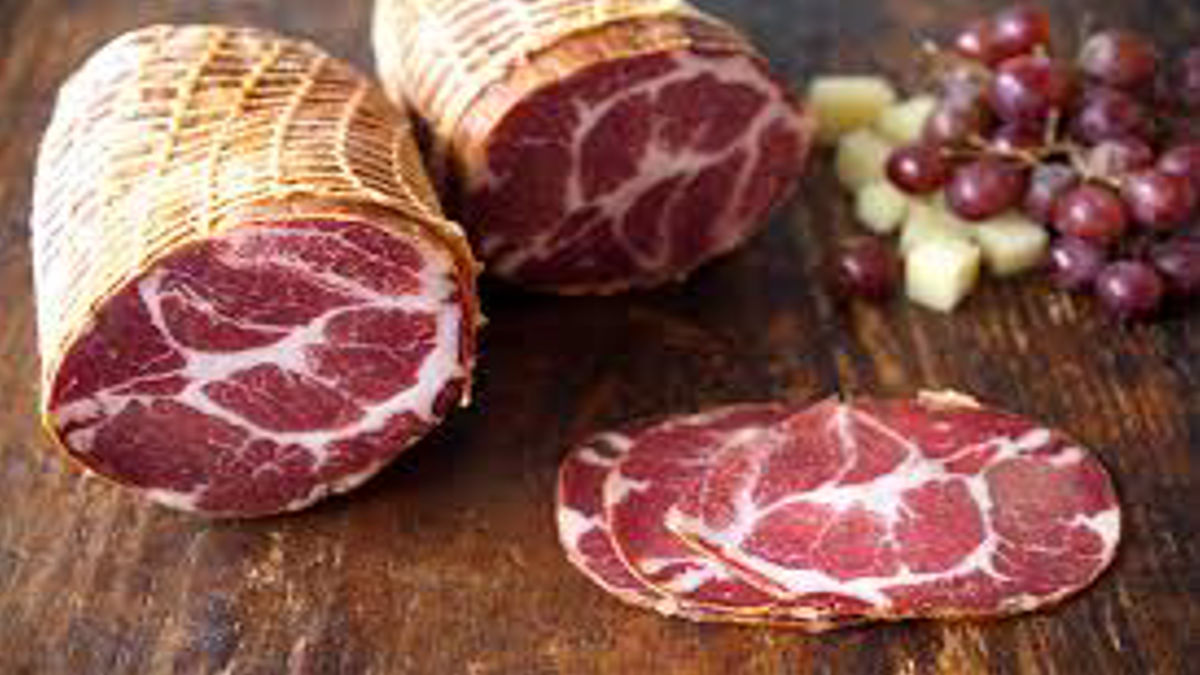
The neck and upper shoulder muscle is ideal for curing because of its natural marbling. Fat plays a critical role in flavor and texture. During aging, fat slowly melts and integrates into the meat fibers, creating tenderness and a silky mouthfeel.
If the meat is too lean, it can become dry and tough. If it has too much fat, curing may be uneven. The balance found in the capocollo cut makes it uniquely suited for dry curing.
Traditional Production Process
Crafting capocollo requires precision and patience. While modern producers use controlled environments, traditional methods remain highly respected.
1. Selection and Trimming
High quality pork is essential. The selected cut is carefully trimmed to remove excess connective tissue and shaped evenly.
2. Salting and Seasoning
The meat is rubbed with salt and a blend of spices. Common ingredients include:
- Black pepper
- Garlic
- Paprika
- Red chili flakes
- Fennel
- Wine
Seasoning varies by region. In Calabria, chili pepper gives a distinctive spicy character.
3. Resting Period
After seasoning, the meat rests under refrigeration for several days. This allows salt to penetrate deeply, drawing out moisture and beginning the curing process.
4. Stuffing and Tying
The cured piece is often stuffed into a natural casing or wrapped tightly. It is then tied with butcher’s twine to maintain shape and ensure even drying.
5. Aging
The most important stage is aging. Capocollo hangs in controlled humidity and temperature conditions for weeks or months. Over time:
- Moisture evaporates
- Flavors intensify
- Texture firms yet remains tender
The aging period can range from two to six months depending on size and regional standards.
Regional Variations in Italy
Italy’s regional diversity influences capocollo styles significantly.
Calabria
Calabrian capocollo is famous for its bold flavor and spicy heat. The region’s love for chili peppers shows clearly in its seasoning. The climate supports excellent curing conditions.
Emilia Romagna
In Emilia Romagna, coppa is milder and more aromatic. This region is also known for other famous cured meats like Prosciutto di Parma and Mortadella. Coppa from this area often carries a subtle sweetness and refined spice blend.
Basilicata and Puglia
Southern regions emphasize rustic preparation and intense seasoning. Garlic and pepper are commonly used, creating a hearty flavor profile.
Protected Designation
Some regional capocollo varieties hold protected status within the European Union, ensuring traditional methods and geographic authenticity.
Flavor Profile and Texture
Capocollo delivers a complex yet balanced flavor experience:
- Saltiness from curing
- Subtle sweetness from pork fat
- Earthy spice notes
- Occasional heat depending on seasoning
Texture plays a major role in enjoyment. Thin slicing reveals marbling that melts gently on the tongue. The meat is tender but structured enough to hold its shape.
Compared to prosciutto, capocollo often tastes more robust and spiced. Compared to salami, it feels smoother and less coarse.
Nutritional Information
Capocollo is rich in protein and fat. Because it is cured, it contains higher sodium levels. A typical serving provides:
- High quality protein
- Iron
- Zinc
- B vitamins
Moderation is important due to salt and fat content. When enjoyed as part of a balanced meal, it fits well within a Mediterranean style diet.
Capocollo in Italian American Cuisine
Italian immigrants brought capocollo to North America in the late 19th and early 20th centuries. Over time, the name evolved into capicola in many communities.
In Italian American delis, capicola became a sandwich staple. It often appears layered with provolone, roasted peppers, and olive oil on crusty bread.
Its popularity continues in modern charcuterie culture across the United States and Canada.
How Capocollo Differs from Similar Meats
It is easy to confuse capocollo with other cured pork products. Here is a quick comparison:
- Prosciutto: Made from the hind leg, milder flavor, thinner slices.
- Salami: Ground meat mixture stuffed into casing, different texture.
- Pancetta: Made from pork belly, usually rolled and not always dried fully.
- Bresaola: Made from beef rather than pork.
Capocollo stands apart due to its whole muscle cut from the neck and shoulder.
Serving Suggestions
Capocollo is versatile and pairs beautifully with many foods.
On a Charcuterie Board
Serve thin slices with:
- Aged cheeses
- Olives
- Crusty bread
- Fresh figs or grapes
Add olive oil and balsamic vinegar for dipping.
In Sandwiches
Layer capocollo with:
- Provolone cheese
- Roasted red peppers
- Arugula
- Italian bread
The saltiness enhances fresh ingredients.
On Pizza
Thin slices added after baking give pizza a gourmet touch. The warmth releases aroma without overcooking the meat.
With Wine
Pair capocollo with medium bodied red wines such as Chianti or Montepulciano. The acidity balances the richness.
Storage and Handling
Proper storage preserves flavor and safety.
- Keep wrapped tightly in parchment or wax paper.
- Store in the refrigerator.
- Once sliced, consume within a few days.
Whole pieces last longer due to reduced surface exposure. Avoid airtight plastic wrapping that traps moisture and alters texture.
Artisan vs Commercial Production
Artisan producers rely on traditional techniques, natural fermentation, and longer aging periods. This often results in deeper complexity.
Commercial production may use standardized curing chambers and shorter aging times for efficiency. While quality can still be high, flavor depth may differ.
When choosing capocollo, look for:
- Even marbling
- Pleasant aroma
- No excessive dryness
- Balanced spice
The Role of Climate in Curing
Climate shapes cured meat quality. Ideal conditions include:
- Moderate humidity
- Cool temperatures
- Good airflow
Italy’s varied geography offers natural advantages for curing. Modern facilities replicate these conditions with precision controls.
Capocollo in Modern Gastronomy
Contemporary chefs use capocollo creatively:
- Wrapped around vegetables
- Added to pasta dishes
- Used as a garnish for soups
- Incorporated into gourmet salads
Its strong flavor means a small amount enhances an entire dish.
Cultural Significance
In many Italian families, curing meats is a communal event. It represents continuity, heritage, and craftsmanship. Capocollo is not just food but a symbol of identity.
Festivals in southern Italy celebrate cured meats as part of seasonal traditions. These gatherings strengthen community bonds and preserve culinary knowledge.
Food Safety Considerations
Proper curing requires:
- Accurate salt ratios
- Controlled humidity
- Adequate airflow
Improper curing can lead to spoilage or bacterial growth. Commercial producers follow strict safety regulations. Home curing requires careful research and adherence to guidelines.
Buying Tips
When shopping for capocollo:
- Choose freshly sliced options from reputable delis.
- Check color. It should be deep red with white fat marbling.
- Smell before buying. It should have a clean, savory aroma.
Avoid slices that look gray or overly wet.
Sustainability and Ethical Sourcing
Consumers increasingly value humane farming and sustainable practices. Many artisan producers focus on:
- Free range pigs
- Natural feed
- Minimal additives
Supporting responsible producers helps maintain high quality standards and environmental awareness.
Capocollo Around the World
Although Italian in origin, capocollo now appears globally. European countries produce variations. In North America, local charcuterie artisans experiment with spices and aging times while respecting tradition.
Its worldwide appeal reflects growing appreciation for cured meats and slow food culture.
Conclusion
Capocollo stands as one of Italy’s most cherished culinary treasures. Its origins in rural preservation methods evolved into a refined delicacy enjoyed across continents. From careful meat selection to patient aging, every step contributes to its depth of flavor and tender texture.
Whether served on a charcuterie board, layered in a sandwich, or paired with wine, capocollo delivers a rich and memorable experience. By understanding its history, production, and regional variations, you can appreciate not only its taste but also the craftsmanship behind each slice.
Frequently Asked Questions
1. What is capocollo made from?
Capocollo is made from a whole muscle cut of pork taken from the neck and upper shoulder area of the pig. This cut has a balanced amount of lean meat and fat, which makes it ideal for dry curing.
2. Is capocollo the same as capicola?
Yes, capocollo and capicola refer to the same type of cured meat. Capocollo is the traditional Italian name, while capicola is the common pronunciation used in many Italian American communities.
3. What does capocollo taste like?
Capocollo has a rich, savory flavor with noticeable saltiness from the curing process. Depending on the region and seasoning, it may have notes of garlic, black pepper, paprika, or chili. The fat marbling gives it a smooth and slightly sweet finish.
4. Is capocollo spicy?
It depends on the regional style. Some varieties, especially those from southern Italy like Calabria, are spicy due to the use of red chili peppers. Other versions are milder and focus more on garlic and black pepper.
5. How is capocollo different from prosciutto?
Capocollo is made from the neck and shoulder, while Prosciutto di Parma comes from the hind leg of the pig. Capocollo is usually more heavily seasoned and has a firmer texture compared to the delicate, buttery texture of prosciutto.
6. Is capocollo cooked or raw?
Capocollo is not cooked in the traditional sense. It is dry cured and air dried over time. The curing process preserves the meat and makes it safe to eat without additional cooking.
7. How long is capocollo aged?
Aging typically lasts between two and six months. The exact duration depends on the size of the cut, regional traditions, and the producer’s methods.
8. Does capocollo need to be refrigerated?
Yes, once purchased, capocollo should be stored in the refrigerator. Whole pieces last longer than pre sliced portions. Wrap it in parchment or wax paper rather than airtight plastic to maintain texture.
9. How long does capocollo last?
A whole, unopened piece can last several weeks when properly refrigerated. Once sliced, it is best consumed within three to five days for optimal freshness and flavor.
10. Is capocollo healthy?
Capocollo provides high quality protein, iron, and B vitamins. However, it is also high in sodium and fat due to the curing process. Enjoying it in moderation as part of a balanced diet is recommended.