I have always believed that the smallest ingredients often make the biggest impact on a dish, and cornichons prove that perfectly. These tiny, tart pickles may look simple at first glance, but they carry centuries of culinary tradition, careful preparation, and bold flavor. From French charcuterie boards to gourmet burgers and classic European sauces, cornichons bring a sharp, bright bite that transforms ordinary food into something memorable.
In this comprehensive guide, I will explore everything about cornichon: their origin, how they are made, how they differ from regular pickles, their nutritional value, culinary uses, and how you can even make them at home.
What Are Cornichons?
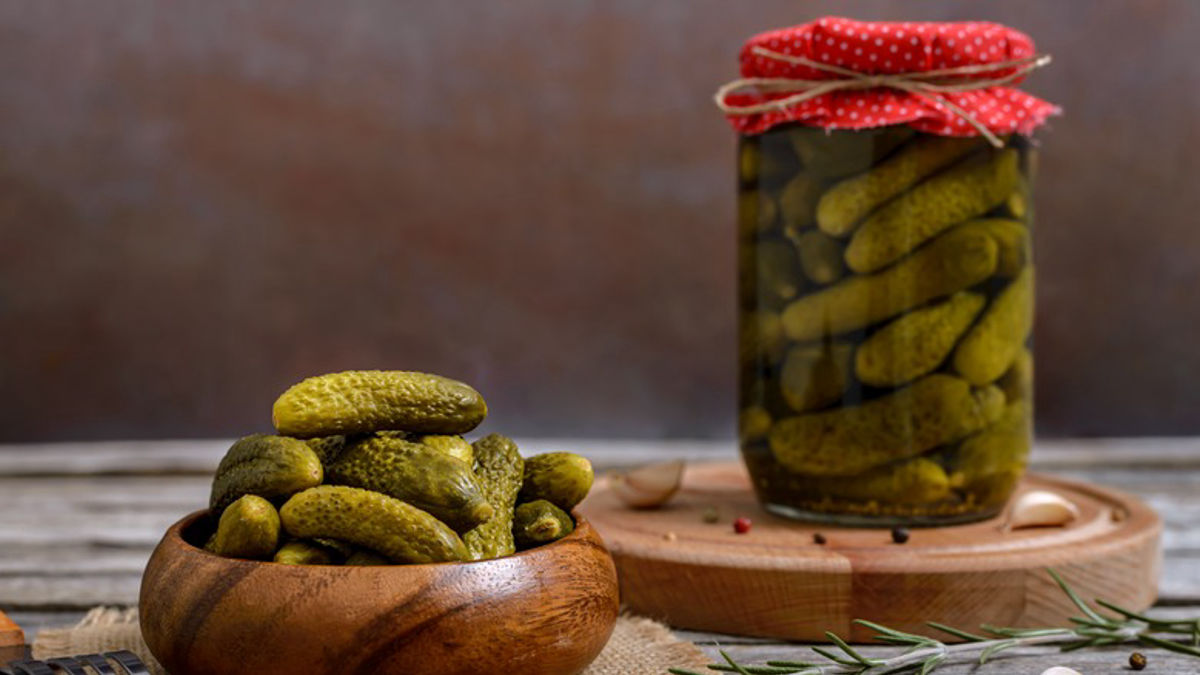
Cornichon is small, tart pickled cucumbers traditionally made in the French style. The word “cornichon” comes from the French language and simply means “gherkin.” However, not all gherkins are cornichon.
Cornichons are:
- Very small cucumbers harvested early
- Firm and crunchy in texture
- Pickled in vinegar rather than fermented in brine
- Often flavored with herbs like tarragon
- Sometimes enhanced with pearl onions
Their flavor is sharp, acidic, and slightly sweet depending on the recipe. Unlike large dill pickles that are juicy and bold, cornichons are crisp and intensely tangy.
The History of Cornichon
Early Pickling Traditions
Pickling dates back thousands of years. Ancient civilizations preserved cucumbers in brine and vinegar to extend shelf life. Cucumbers likely originated in South Asia and spread to Europe through trade routes.
French Culinary Influence
Cornichons’s became popular in France, where they were refined into a delicate condiment served alongside rich foods. French cuisine often balances heavy dishes with acidic elements, and cornichon became essential in achieving that balance.
Today, they are closely associated with French charcuterie and classic European dishes.
Cornichons vs. Regular Pickles
Many people confuse cornichons’s with standard pickles. While they may look similar, there are key differences.
1. Size
Cornichons are harvested very young and are much smaller than typical pickles.
2. Flavor
Cornichons are more acidic and less sweet. Regular pickles often contain more sugar and garlic.
3. Preparation
Cornichons are traditionally pickled in vinegar with herbs, especially tarragon. Many American pickles are brined with dill and garlic.
4. Culinary Use
Cornichons are commonly served with pâté, cheese, and cured meats. Larger pickles are more common in sandwiches and burgers.
How Cornichons Are Made
The process of making cornichons requires precision and quality ingredients.
Step 1: Selecting the Cucumbers
The cucumbers must be very small, firm, and freshly harvested. They are picked early before the seeds develop fully.
Step 2: Salting
The cucumbers are salted to remove excess moisture. This step helps maintain crunch.
Step 3: Vinegar Brine
They are soaked in a vinegar-based solution that may include:
- White wine vinegar
- Water
- Salt
- Sugar
- Tarragon
- Mustard seeds
- Pearl onions
Step 4: Aging
These are left to mature for several weeks. During this time, they absorb flavors and develop their signature sharpness.
The Role of Tarragon in Cornichons
Tarragon is a key ingredient in traditional cornichon recipes. It adds:
- A subtle anise flavor
- Herbal freshness
- Aromatic depth
Without tarragon, cornichons lose part of their authentic French identity.
Nutritional Profile of Cornichons
Although small, cornichons offer some nutritional benefits.
Low in Calories
They are very low in calories, making them ideal for low calorie diets.
Source of Antioxidants
Cucumbers contain antioxidants that may help reduce oxidative stress.
Electrolytes
Because of the salt and vinegar, cornichons provide sodium and small amounts of potassium.
However, they are high in sodium, so moderation is important.
Culinary Uses
Cornichons are extremely versatile in the kitchen.
1. Charcuterie Boards
Cornichons are classic companions to:
- Cured meats
- Soft cheeses
- Pâté
- Terrines
They cut through the richness and cleanse the palate.
2. Steak Tartare
Finely chopped cornichons are often mixed into steak tartare for acidity and crunch.
3. Potato Salad
Chopped cornichons add texture and tang to creamy salads.
4. Sandwiches and Burgers
They can replace regular pickles for a more refined taste.
5. Sauces
Cornichons are key in:
- Tartar sauce
- Remoulade
- Sauce gribiche
Cornichons in French Cuisine
Charcuterie Tradition
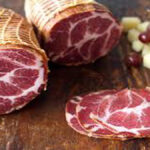
In France, cornichons are essential in charcuterie platters. Their acidity balances fatty meats such as saucisson and pâté.
Bistro Culture
French bistros commonly serve cornichons alongside country style dishes and rustic spreads.
They are not just condiments but part of culinary identity.
Cornichons in Global Cuisine
While French cuisine popularized, they are now enjoyed worldwide.
- In the United States, they appear in gourmet delis
- In Germany, similar small pickles accompany sausages
- In Eastern Europe, sour pickles share similar characteristics
Each region adapts the concept slightly, but the core idea remains: small, tangy, crunchy pickles.
Homemade Recipe
Making cornichons at home can be rewarding.
Ingredients
- 1 kg small cucumbers
- 2 cups white wine vinegar
- 2 cups water
- 2 tablespoons salt
- 1 tablespoon sugar
- Fresh tarragon
- Mustard seeds
- Pearl onions
Instructions
- Wash and trim cucumbers.
- Salt them and let sit overnight.
- Rinse and dry thoroughly.
- Prepare vinegar brine by heating vinegar, water, salt, and sugar.
- Place cucumbers in sterilized jars with herbs and onions.
- Pour hot brine over them.
- Seal and store for 2 to 3 weeks before using.
Storage and Shelf Life
Unopened jars of cornichons’s can last up to a year when stored in a cool place.
After opening:
- Keep refrigerated
- Use clean utensils
- Consume within 1 to 2 months
Proper storage ensures crispness and safety.
Popular Brands and Commercial Production
Several European specialize in cornichon, especially in France and Germany. These brands often emphasize:
- Hand harvesting
- Traditional vinegar methods
- Organic farming practices
Premium cornichons’s are typically smaller and more expensive because of the labor required to harvest them.
Are Cornichons Healthy?
Cornichons’s can be part of a balanced diet when consumed moderately.
Benefits
- Low calorie snack
- Probiotic potential if naturally fermented
- Adds flavor without fat
Considerations
- High sodium content
- Vinegar acidity may irritate sensitive stomachs
Balance is key.
Cornichons and Food Pairing Science
Acidity plays a major role in flavor balance. When paired with fatty foods:
- The acid cuts richness
- The crunch adds texture contrast
- The sharpness refreshes the palate
This is why cornichon are traditionally served with rich meats and cheeses.
Cultural Significance of Cornichon
Cornichons’s are more than food. They represent:
- French culinary refinement
- Traditional preservation methods
- The art of flavor balance
In many households, they are a staple in the pantry.
Growing Cucumbers for Cornichons
If you want to grow cucumbers suitable for cornichon:
- Choose small pickling cucumber varieties
- Harvest early
- Ensure firm texture
- Avoid overripe fruit
Climate and soil quality also influence taste and texture.
Cornichons in Modern Gastronomy
Modern chefs use creatively:
- As garnish in fine dining
- Chopped into aioli
- Pureed into dressings
- Added to gourmet sliders
Their sharp flavor makes them ideal for innovative dishes.
Why Cornichon Remain Popular
Despite evolving food trends, cornichons’s continue to thrive because:
- They enhance rich foods
- They are easy to store
- They require minimal preparation
- They fit into low calorie diets
Their simplicity is part of their charm.
Conclusion
As I reflect on the journey of cornichons from ancient preservation methods to modern gourmet kitchens, I see how something so small can hold. These tiny pickles represent balance, tradition, and craftsmanship. Whether enjoyed on a French charcuterie board or added to a homemade salad, cornichons bring brightness and crunch that elevate everyday meals.
In a world full of bold flavors and complex recipes, cornichon remind us that sometimes the simplest ingredients make the strongest impression.
Frequently Asked Questions
1. What exactly are cornichons?
Cornichons are very small pickled cucumbers prepared in the traditional French style. They are harvested early while still immature, which gives them a firm texture and concentrated flavor. Unlike many large pickles, cornichon are typically preserved in vinegar with herbs such as tarragon rather than heavily sweetened brine.
2. Are cornichons the same as gherkins?
All cornichons are technically gherkins, but not all gherkins are cornichons. The term “gherkin” refers to small pickling cucumbers in general. Cornichon specifically describe the French style version that is smaller, tarter, and usually flavored with herbs like tarragon.
3. Why are cornichons so sour?
Cornichons are known for their sharp taste because they are pickled in a strong vinegar solution. The acidity is intentional. It balances rich foods such as cured meats, cheese, and pâté, making them ideal for charcuterie boards.
4. Are cornichons sweet?
Traditional cornichon is not very sweet. Some recipes may include a small amount of sugar, but their primary flavor profile is tangy and acidic rather than sugary. This distinguishes them from many commercial sweet pickles.
5. How are cornichons different from dill pickles?
Cornichons’s are smaller, firmer, and more tart than standard dill pickles. Dill pickles often contain garlic and fresh dill, while cornichons are typically flavored with tarragon and sometimes pearl onions. The texture is usually crunchier as well.
6. Can I use regular cucumbers to make cornichon?
You can, but for authentic results, it is best to use small pickling cucumbers harvested early. Large salad cucumbers contain more water and larger seeds, which can result in softer pickles.
7. Do cornichon need refrigeration?
Unopened jars can be stored in a cool, dry place. After opening, they should always be refrigerated and kept sealed tightly to maintain freshness and prevent spoilage.
8. How long do cornichons last?
Unopened jars can last up to a year when stored properly. Once opened and refrigerated, they are best consumed within one to two months for optimal flavor and texture.
9. Are cornichons healthy?
Cornichons are low in calories and fat, making them a light addition to meals. However, they are high in sodium due to the pickling process. People watching their salt intake should consume them in moderation.
10. Do cornichons contain probiotics?
Only naturally fermented cornichon may contain beneficial bacteria. Many commercial varieties use vinegar pickling rather than fermentation, which does not produce probiotics. Always check the label if probiotic benefits are important to you.