i first came to understand Enntal not as a destination built for spectacle, but as a place shaped by continuity. For readers searching for Enntal, the intent is usually straightforward. They want to know where it is, what defines it, and why it matters. Enntal is a valley in Austria formed along the Enns River, stretching through regions where alpine geography meets long-settled human life. It is known for its natural scenery, cultural traditions, and a pace of living that resists urgency.
Within the first moments of learning about Enntal, its defining feature becomes clear. This is not a valley that exists for a single purpose. It is agricultural and ecological, historical and contemporary. Villages developed here not by accident, but because the land supported farming, movement, and trade. Over centuries, that relationship between people and place solidified into a culture that values stewardship, community, and seasonal rhythm.
Today, Enntal continues to attract attention because it offers balance. Visitors encounter outdoor recreation alongside quiet villages. Residents maintain traditional practices while engaging with modern infrastructure. Enntal answers a growing curiosity about regions that have adapted without erasing themselves.
This article examines Enntal through its geography, history, daily life, economy, and cultural expression. Rather than presenting it as a postcard image, the focus is on how Enntal functions as a living valley shaped by time, labor, and shared identity.
The Geographic Foundation of Enntal
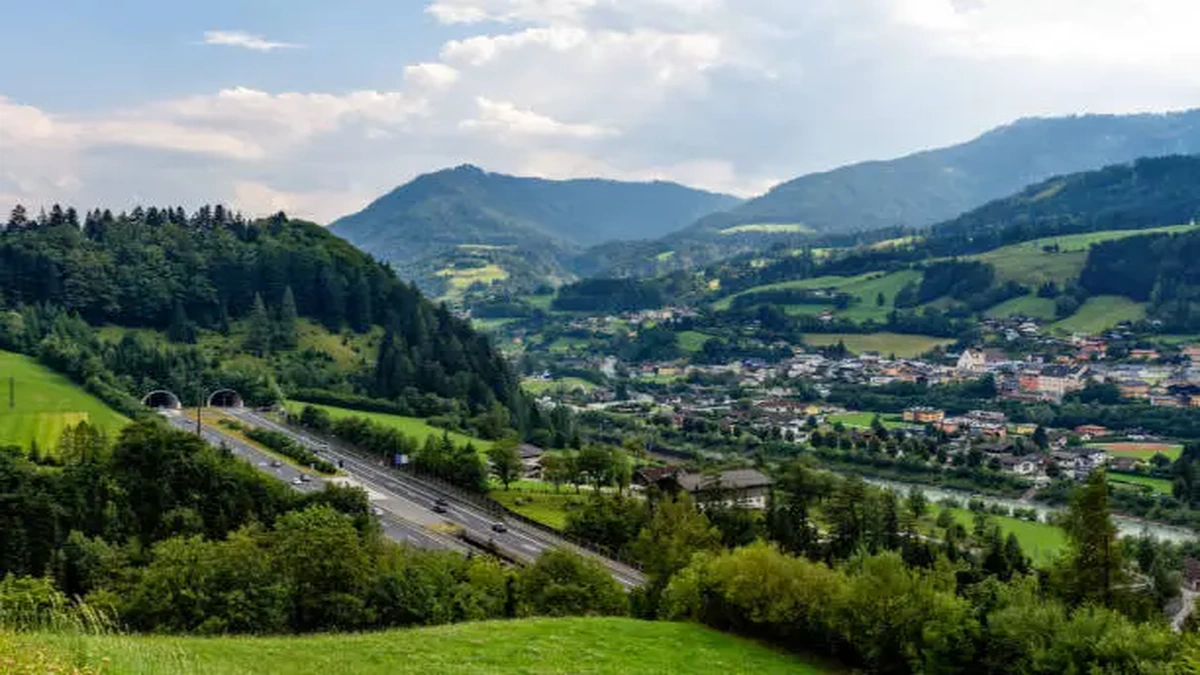
Enntal is defined by the Enns River, which runs through the valley and has shaped both the land and its settlement patterns. The river provided water, fertile soil, and a natural corridor through mountainous terrain. Over time, villages formed along its banks, taking advantage of transportation routes and arable land.
The surrounding landscape alternates between open valley floors and rising alpine foothills. Forests dominate the slopes, while meadows and farmland occupy lower elevations. This geographic diversity supports agriculture, wildlife, and recreation. It also gives Enntal its visual character, a mix of open space and enclosure that changes with light and season.
Geography here is not static. Spring brings runoff from melting snow, summer fills fields and pastures, autumn reshapes the valley with color, and winter slows movement under snow. These shifts influence work schedules, social life, and local traditions, reinforcing the valley’s seasonal awareness.
Historical Layers and Settlement
Human presence in Enntal extends far back in time. Early settlements formed where water access and fertile land allowed sustained living. Over centuries, the valley became part of broader regional networks connecting alpine communities with trade routes across Central Europe.
During medieval periods, towns expanded along the river, serving travelers and merchants. Churches, bridges, and market centers emerged as anchors of civic life. Many of these structures still define town centers today, not as monuments, but as functional spaces adapted for modern use.
History in Enntal is not confined to museums. It appears in building styles, land division, and local customs passed through families. The valley’s past remains visible because it was never fully replaced. Instead, it was layered, with each generation adjusting rather than erasing what came before.
Cultural Life and Local Traditions
Culture in Enntal is deeply tied to community participation. Seasonal festivals remain central to social life, marking agricultural cycles, religious calendars, and regional identity. These events combine music, dress, food, and ritual in ways that reinforce belonging rather than performance.
Traditional clothing appears during celebrations, not as costume but as expression of continuity. Folk music and dance are taught informally, passed through families and local groups. Craft traditions such as woodworking and textile production persist, valued as practical skills rather than nostalgic displays.
Language, too, carries regional character. Dialects reflect local history and geography, subtly distinguishing Enntal communities from neighboring areas. These cultural markers form an everyday backdrop, shaping how people relate to one another and to place.
Nature and Outdoor Life
Enntal’s natural environment is not a backdrop but an active part of daily life. Trails for walking and cycling follow old routes shaped by agriculture and trade. Forest paths serve both recreation and resource management. The valley’s layout encourages movement through rather than around the landscape.
Outdoor activity changes with the seasons. Summer brings hiking, cycling, and river recreation. Autumn emphasizes harvest and preparation. Winter shifts focus to snow-based activities in nearby alpine areas, while daily routines adapt to shorter days and colder conditions.
The Enns River remains central, supporting ecosystems and leisure alike. Its banks offer space for reflection and gathering. Wildlife thrives in protected areas, reinforcing the valley’s ecological value. Nature here is not curated for spectacle. It is lived with, managed, and respected.
Food, Hospitality, and Daily Rhythm
Cuisine in Enntal reflects the valley’s agricultural base. Dairy products, grains, and seasonal produce form the foundation of local dishes. Meals tend to be hearty, designed to sustain physical work and outdoor activity.
Hospitality is personal and understated. Guesthouses and small inns are often family-run, offering insight into local routines rather than curated experiences. Food is shared generously, often accompanied by stories tied to season and place.
Markets and communal spaces function as social centers. They provide access to fresh goods and reinforce daily interaction. These rhythms give Enntal a sense of continuity that visitors often notice immediately.
Economic Life and Sustainable Practices
The economy of Enntal remains closely tied to land use. Agriculture, forestry, and small-scale production provide employment and maintain landscapes. These practices support both economic stability and environmental care.
Alongside traditional industries, Enntal has adopted sustainable development strategies. Renewable energy projects, responsible tourism, and digital connectivity allow residents to engage with modern systems without abandoning local values.
This balance reflects deliberate choices. Growth is measured against impact. Development is integrated rather than imposed. The result is an economy that supports quality of life without overwhelming the valley’s character.
Enntal in Contrast
| Dimension | Traditional Orientation | Contemporary Adaptation |
|---|---|---|
| Economy | Farming and crafts | Sustainable tourism |
| Lifestyle | Seasonal routines | Flexible work patterns |
| Infrastructure | Local networks | Regional connectivity |
Seasonal Patterns in Enntal
| Season | Environmental Shift | Community Focus |
|---|---|---|
| Spring | Renewal and growth | Planting, markets |
| Summer | Full activity | Travel, outdoor work |
| Autumn | Transition | Harvest festivals |
| Winter | Stillness | Snow activities |
Takeaways
- Enntal is shaped by the Enns River and alpine geography
- History remains visible in daily life and settlement patterns
- Culture is sustained through participation, not display
- Nature influences work, leisure, and identity
- The economy balances tradition with sustainability
- Seasonal rhythm defines community life
Conclusion
Enntal endures because it resists simplification. It is neither frozen in the past nor consumed by modernization. Instead, it reflects a steady negotiation between continuity and change. The valley’s strength lies in its ability to adapt without losing coherence.
For visitors, Enntal offers more than scenery. It offers perspective on how places can evolve without surrendering their foundations. For residents, it remains home, defined by shared memory, daily work, and collective care for the land.
In an age drawn to speed and scale, Enntal quietly demonstrates another model. One where progress is measured, identity is lived, and the relationship between people and place remains central.
FAQs
Where is Enntal located?
Enntal is an Austrian valley formed along the Enns River, spanning regions with alpine and rural landscapes.
What defines Enntal culturally?
Its traditions, festivals, dialects, and crafts reflect long-standing community participation and regional identity.
Is Enntal suitable for outdoor activities?
Yes. Hiking, cycling, river recreation, and winter sports are all part of life in and around the valley.
What kind of economy supports Enntal?
Agriculture, small industries, and sustainable tourism form the economic base.
Why do people visit Enntal?
Visitors are drawn to its balance of nature, history, culture, and slower pace of living.