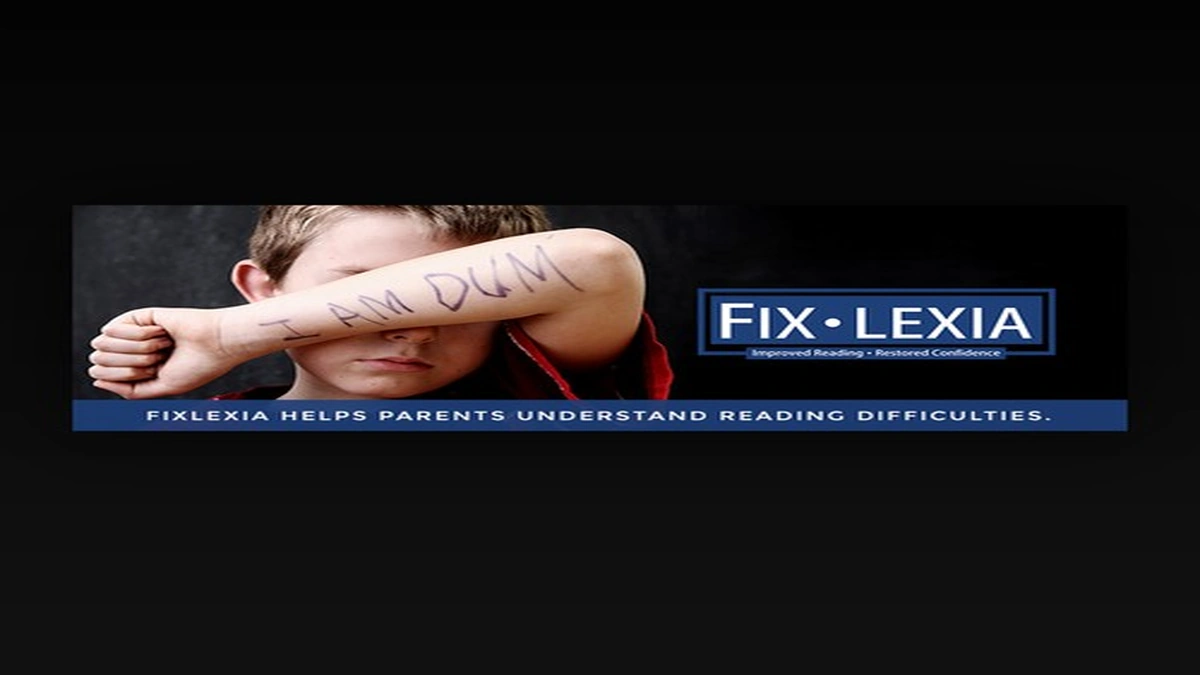
I have spent years observing how people misunderstand dyslexia, often reducing it to a simple reading issue. In reality, dyslexia is a complex, lifelong neurological difference that affects how the brain processes language. Fixlexia is not a single product or instant cure. It is a practical concept that combines awareness, evidence based strategies, technology, and human support to help individuals with dyslexia read, write, learn, and work with confidence. This article explores Fixlexia in depth, from science to real world tools, and offers a grounded path forward for children, adults, parents, and educators.
What Is Fixlexia?
Fixlexia is a modern umbrella term used to describe structured approaches that help reduce the functional impact of dyslexia. It does not claim to erase dyslexia. Instead, it focuses on improving skills, building compensatory strategies, and creating environments where dyslexic minds can thrive.
Dyslexia itself is a neurodevelopmental condition that primarily affects reading accuracy, fluency, spelling, and sometimes writing. Intelligence is not the issue. Many dyslexic individuals show strong abilities in problem solving, creativity, spatial reasoning, and big picture thinking. Fixlexia aims to unlock these strengths while addressing reading and language challenges.
Understanding Dyslexia at a Brain Level
I often explain dyslexia by starting with the brain. Reading is not a natural human skill. The brain must build networks to connect sounds, symbols, and meaning. In dyslexia, these networks develop differently.
Phonological Processing Differences
Most dyslexic readers struggle with phonological awareness. This means difficulty identifying and manipulating the sounds within words. For example, breaking a word into syllables or recognizing that “cat” and “cap” differ by one sound can be hard.
Working Memory and Processing Speed
Many people with dyslexia also experience reduced working memory for verbal information. Holding sounds in mind while decoding a word becomes exhausting. Reading may feel slow and effortful, even when comprehension is strong.
Visual Stress and Letter Confusion
Some individuals experience visual stress where text appears to move, blur, or crowd together. Letters like b and d or p and q may be confused, not because of vision problems but because of how the brain interprets symbols.
Fixlexia approaches acknowledge these neurological realities and work with them rather than against them.
Why Dyslexia Is Often Missed or Misunderstood
In many education systems, dyslexia is underdiagnosed. I have seen students labeled lazy, careless, or inattentive when they were actually struggling with undetected dyslexia.
Late Diagnosis in Adults
Adults often discover dyslexia only after years of frustration. They may have developed coping strategies that mask difficulties, such as avoiding reading aloud or relying heavily on memory.
Cultural and Language Bias
In some cultures, learning differences carry stigma. Parents may hesitate to seek assessments. In multilingual environments, dyslexia is sometimes mistaken for second language difficulties.
Fixlexia includes awareness as a core principle. Recognition is the first step toward support.
The Fixlexia Philosophy
Fixlexia rests on five practical pillars.
Early Identification
The earlier dyslexia is identified, the better the outcomes. Screening tools, teacher observation, and parental awareness all play a role.
Structured Literacy Instruction
Research consistently supports explicit, systematic instruction in phonics, phonemic awareness, fluency, vocabulary, and comprehension.
Assistive Technology
Modern tools remove barriers and allow dyslexic individuals to access information without being limited by decoding speed.
Emotional and Psychological Support
Confidence matters. Anxiety, shame, and avoidance often develop after repeated academic failure. Fixlexia addresses emotional wellbeing alongside skills.
Strength Based Development
Rather than focusing only on weaknesses, Fixlexia encourages the development of dyslexic strengths such as creativity, entrepreneurship, and strategic thinking.
Fixlexia Methods for Children
When working with children, Fixlexia emphasizes structure, patience, and consistency.
Multisensory Learning
Children learn best when multiple senses are engaged.
- Seeing letters while hearing sounds
- Tracing words while saying them aloud
- Using movement to reinforce memory
This approach strengthens neural connections and improves retention.
Phonics Based Programs
Evidence based phonics instruction teaches sound letter relationships in a clear sequence. Guessing words from pictures or context is discouraged because it does not build decoding skills.
Reading Fluency Practice
Short, repeated reading sessions help build fluency without overwhelming the child. Progress is measured in confidence as much as speed.
Parental Involvement
I always stress that parents are partners. Reading together, celebrating effort, and maintaining a calm environment make a significant difference.
Fixlexia Strategies for Teenagers
Teen years bring new challenges. Academic demands increase while self awareness grows.
Academic Accommodations
Common accommodations include:
- Extra time in exams
- Oral instructions and assessments
- Reduced copying from boards
- Access to audiobooks
These do not provide unfair advantage. They level the playing field.
Technology Integration
Teenagers often embrace technology naturally. Text to speech, speech to text, and digital note taking tools can dramatically improve independence.
Self Advocacy Skills
Fixlexia encourages teenagers to understand their learning profile and communicate their needs confidently to teachers and peers.
Fixlexia for Adults in Education and Work
I have met countless adults who believed it was too late to improve. That belief is wrong.
Adult Literacy Improvement
While dyslexia does not disappear, reading and spelling can improve at any age with structured instruction and practice.
Workplace Adjustments
Simple adjustments can transform performance:
- Written instructions followed by verbal explanation
- Allowing voice notes instead of long written reports
- Using spell check and grammar tools without stigma
Career Alignment
Many dyslexic adults excel in careers that value creativity, leadership, design, engineering, sales, and entrepreneurship. Fixlexia helps align work with strengths.
The Role of Assistive Technology in Fixlexia
Technology is a cornerstone of modern Fixlexia approaches.
Text to Speech Tools
These tools read digital text aloud, reducing decoding load and improving comprehension.
Speech to Text Software
Dictation allows users to express complex ideas without being slowed by spelling and typing challenges.
Dyslexia Friendly Fonts and Layouts
Fonts designed with clear letter shapes and increased spacing reduce visual stress for some readers.
Audiobooks and Digital Libraries
Access to audiobooks opens the world of literature and learning without frustration.
Emotional Impact of Dyslexia and the Fixlexia Response
One aspect I never ignore is emotional health. Dyslexia affects identity.
Anxiety and Avoidance
Repeated failure can lead to reading avoidance, school refusal, or workplace anxiety.
Building Confidence
Fixlexia emphasizes progress over perfection. Small wins rebuild trust in one’s abilities.
Community and Support
Support groups, mentors, and shared experiences reduce isolation. Knowing others face similar challenges can be life changing.
Fixlexia and Education Systems
Systemic change matters as much as individual effort.
Teacher Training
Teachers trained in dyslexia awareness and structured literacy can identify issues early and respond effectively.
Inclusive Curriculum Design
Curricula that allow multiple ways to demonstrate knowledge benefit all learners, not only those with dyslexia.
Policy and Accessibility
Exam boards, universities, and employers play a role by adopting inclusive policies that recognize learning differences.
Myths That Fixlexia Actively Rejects
I often encounter persistent myths.
- Dyslexia is linked to low intelligence
- People outgrow dyslexia completely
- Colored overlays cure dyslexia alone
- Dyslexia only affects reading
Fixlexia replaces myths with evidence and empathy.
Measuring Progress in a Fixlexia Approach
Progress is not only about reading speed.
Functional Improvement
Can the person access information, learn independently, and express ideas effectively?
Emotional Growth
Is anxiety reducing? Is confidence increasing?
Long Term Independence
The ultimate goal is autonomy, not constant support.
The Future of Fixlexia
Advances in neuroscience, artificial intelligence, and education technology continue to improve dyslexia support. Personalized learning platforms, adaptive reading tools, and greater awareness promise a future where dyslexia is understood as a difference, not a deficit.
Final Thoughts on Fixlexia
I see Fixlexia as a mindset as much as a method. It accepts dyslexia as part of human diversity and focuses on removing unnecessary barriers. With the right strategies, tools, and understanding, individuals with dyslexia can learn, work, and live fully on their own terms.
FAQs
What exactly does Fixlexia mean?
Fixlexia refers to practical strategies, tools, and educational approaches designed to reduce the daily impact of dyslexia. It does not claim to eliminate dyslexia but helps individuals function effectively.
Is Fixlexia a medical treatment?
No. Fixlexia is not a medical cure. Dyslexia is neurological. Fixlexia focuses on education, skills development, and accommodations.
Can Fixlexia help adults with dyslexia?
Yes. Adults can improve reading skills, develop compensatory strategies, and use technology to overcome challenges at any age.
How long does it take to see results?
Progress varies. Some individuals see improvements in months, while others require longer term support. Consistency matters more than speed.
Is Fixlexia suitable for children with severe dyslexia?
Yes. Structured literacy, multisensory instruction, and assistive technology can support even severe dyslexia effectively.
Does Fixlexia rely heavily on technology?
Technology is a tool, not a replacement for instruction. The best results come from combining human teaching with digital support.
Can Fixlexia be used alongside school programs?
Absolutely. Fixlexia complements school curricula and often fills gaps where traditional methods fall short.
Is dyslexia the same in every language?
No. Dyslexia appears differently across languages depending on spelling complexity, but underlying phonological differences remain.
Are accommodations unfair to others?
No. Accommodations provide equal access, not advantage. They allow individuals to demonstrate knowledge without unnecessary barriers.