I begin this article from the perspective of someone who has watched digital tools quietly reshape how people understand the world. The Google Earth Day Quiz is not just a short online activity or a seasonal feature. It reflects a deeper shift in how geography, environmental awareness, and curiosity about our planet are taught and experienced. By combining visual exploration with questions that reward attention and memory, the quiz turns learning into discovery. In this long-form guide, I explore what the Google Earth Day Quiz is, why it exists, how it works, and how it connects to broader ideas about Earth Day, technology, and global responsibility.
Understanding Earth Day and Its Digital Evolution
Earth Day began as a grassroots movement focused on environmental protection and awareness. Over time, it has evolved into a global event that includes schools, governments, corporations, and online platforms. As society moved deeper into the digital age, Earth Day also shifted its expression. Campaigns expanded from physical rallies and posters to interactive websites, apps, and educational games.
One of the most influential contributors to this shift has been Google, which consistently integrates educational themes into its products. From search engine doodles to classroom tools, Google has used its reach to make complex topics more accessible. The Google Earth Day Quiz is part of this tradition, blending environmental education with exploration.
What Is the Google Earth Day Quiz
The Google Earth Day Quiz is an interactive quiz experience often released around Earth Day in April. It uses imagery and data from Google Earth to ask users questions about animals, landscapes, ecosystems, and human impact on the planet.
Rather than relying on text-heavy questions, the quiz presents visual clues. Users might see a satellite image of a rainforest, a desert, or a coral reef and then answer questions related to biodiversity, geography, or environmental challenges. This visual-first approach makes the quiz accessible to a wide range of age groups and learning styles.
Why Google Uses Quizzes for Environmental Learning
Quizzes work because they activate curiosity and reward engagement. When users are shown an image of Earth from space or a close-up of a remote ecosystem, they feel invited into the experience. The quiz format reduces the pressure often associated with formal education while still delivering meaningful information.
From an educational design standpoint, quizzes support active learning. Instead of passively reading about climate change or wildlife loss, users must observe, think, and decide. This process helps information stick. By attaching Earth Day messaging to an interactive quiz, Google ensures that awareness is not only spread but remembered.
The Role of Google Earth in the Quiz Experience
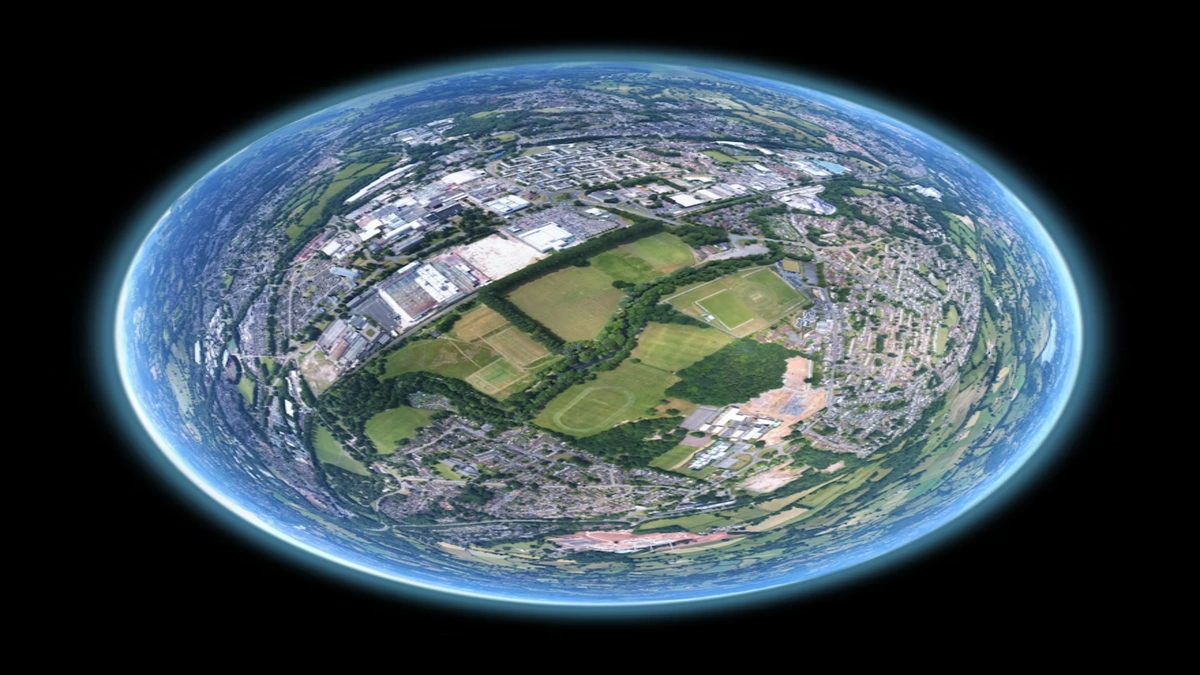
Google Earth is the foundation of the quiz. Its satellite imagery, 3D terrain, and geographic data allow questions to feel real rather than abstract. When a quiz asks about melting glaciers or shrinking forests, users can often see those changes reflected in the visuals.
This connection between question and image reinforces learning. Instead of imagining deforestation, users can view it from above. Instead of reading about coral bleaching, they can see pale reefs contrasted with healthy ones. The quiz transforms global environmental issues into visible realities.
Typical Topics Covered in the Google Earth Day Quiz
Wildlife and Biodiversity
Many quiz questions focus on animals and ecosystems. Users may be asked to identify habitats, migration patterns, or endangered species. This approach emphasizes the interconnectedness of life on Earth and highlights how environmental changes affect biodiversity.
Geography and Landforms
The quiz often includes questions about mountains, rivers, deserts, and forests. These questions encourage users to recognize Earth’s physical diversity. Seeing these features through Google Earth helps users understand scale and location in a way maps alone cannot provide.
Climate and Environmental Change
Some questions address climate-related topics such as ice loss, rising sea levels, or urban expansion. These questions are designed to inform rather than alarm. By showing real imagery, the quiz encourages thoughtful reflection on human impact.
Human Interaction With Nature
The quiz may also explore how cities, agriculture, and infrastructure interact with natural environments. This helps users see how daily human activity fits into larger planetary systems.
How the Quiz Is Structured
The Google Earth Day Quiz usually follows a simple structure. Users answer a series of multiple-choice questions, each supported by an image or short description. Immediate feedback often follows each answer, sometimes with a brief explanation.
This structure keeps the experience light and engaging. There is no penalty for wrong answers. Instead, each question becomes an opportunity to learn something new. The quiz often ends with a result or fun descriptor that reflects the user’s answers, reinforcing the idea that exploration is personal.
Accessibility and Global Reach
One of the strengths of the Google Earth Day Quiz is accessibility. Because it runs in a web browser and relies on visuals rather than dense text, it can be enjoyed by users across different languages and education levels. This aligns with Earth Day’s global mission.
The quiz also benefits from Google’s international infrastructure. People from different regions may recognize landscapes from their own countries, creating a sense of inclusion and relevance.
Educational Value for Students and Teachers
For educators, the Google Earth Day Quiz offers a ready-made teaching tool. Teachers can use it as an introduction to environmental topics or as a discussion starter. Because the quiz is interactive, it often captures student attention more effectively than traditional lectures.
Students benefit from seeing real-world examples. Learning about ecosystems through satellite imagery helps bridge the gap between theory and reality. It also encourages spatial thinking, an important skill in geography and environmental science.
The Psychology of Learning Through Exploration
Exploration-based learning taps into natural human curiosity. When users zoom across continents or dive into detailed images of landscapes, they experience a sense of discovery. This emotional engagement makes learning feel rewarding rather than obligatory.
The Google Earth Day Quiz leverages this psychology. Each question becomes a small journey. Even users who do not consider themselves environmentally focused often find themselves absorbed by the visuals and questions.
Earth Day Messaging Without Preaching
One reason the quiz is effective is its tone. It does not lecture or guilt users. Instead, it invites them to observe and think. By presenting facts through images and questions, the quiz allows users to draw their own conclusions about environmental responsibility.
This approach aligns with modern communication strategies. People are more receptive to information when they feel respected and involved rather than instructed.
Technology as a Bridge Between Awareness and Action
While the quiz itself does not ask users to take direct action, it often sparks curiosity. Users may leave the quiz wanting to learn more about a species, a location, or an environmental issue. This curiosity can lead to further research or lifestyle changes.
Digital tools like Google Earth make the planet feel both vast and intimate. Seeing Earth from space reminds users of its fragility, while zooming into familiar places reinforces personal connection.
Comparisons With Traditional Earth Day Activities
Traditional Earth Day activities often include clean-up events, tree planting, or classroom presentations. These activities remain valuable, but they require physical presence and organization. The Google Earth Day Quiz complements these efforts by offering a low-barrier entry point.
Anyone with an internet connection can participate. This inclusivity helps extend Earth Day beyond a single day or location, turning it into an ongoing conversation.
The Role of Visual Literacy in Environmental Education
Visual literacy is the ability to interpret and understand images. The Google Earth Day Quiz helps develop this skill by asking users to analyze satellite imagery. Users learn to recognize patterns such as deforestation, urban sprawl, or river systems.
This skill is increasingly important in a world where data is often presented visually. Understanding images empowers users to engage with environmental information more critically.
How the Quiz Encourages Global Perspective
By showing locations from around the world, the quiz reinforces the idea that environmental issues are shared. A forest loss in one country affects climate patterns elsewhere. Ocean pollution does not respect borders.
This global perspective is central to Earth Day’s philosophy. The quiz helps users see themselves as part of a planetary community.
Limitations of the Google Earth Day Quiz
Despite its strengths, the quiz has limitations. It is brief and cannot cover complex issues in depth. It also relies on user interest. Those who skip the quiz may miss its educational value.
However, these limitations are inherent to the format. The quiz is not meant to replace formal education but to complement it.
The Future of Interactive Environmental Education
As technology evolves, interactive tools like the Google Earth Day Quiz may become more immersive. Virtual reality, augmented reality, and real-time data could deepen engagement. Imagine quizzes that allow users to explore historical changes or simulate future scenarios.
Google Earth already includes time-lapse features that show environmental change over decades. Integrating such features into quizzes could further enhance learning.
Cultural Impact of Google Earth Day Content
Over time, Google’s Earth Day initiatives have shaped how people think about the planet. By embedding environmental themes into everyday digital experiences, Google normalizes planetary awareness. The quiz is part of this cultural influence.
When millions of users encounter Earth Day messaging through familiar platforms, environmental awareness becomes part of daily life rather than a special event.
Why the Google Earth Day Quiz Matters
The importance of the Google Earth Day Quiz lies in its simplicity. It does not demand expertise or activism. It invites attention. In a world filled with distractions, capturing attention is a powerful achievement.
The quiz shows that learning about Earth can be engaging, visual, and even playful. It demonstrates how technology can support environmental education without overwhelming users.
Practical Ways to Use the Quiz Beyond Earth Day
Although designed for Earth Day, the quiz can be used year-round. Educators can revisit it during geography lessons. Families can explore it together. Individuals can use it as a starting point for deeper exploration on Google Earth.
By revisiting the quiz at different times, users may notice new details or develop new interests.
Reflections on Curiosity and Responsibility
As I reflect on the Google Earth Day Quiz, I see it as a reminder that awareness begins with curiosity. When people are curious about the planet, they are more likely to care about it. The quiz does not provide answers to all environmental challenges, but it opens a door.
Conclusion
The Google Earth Day Quiz stands at the intersection of technology, education, and environmental awareness. It transforms satellite imagery into a learning experience that feels personal and accessible. By encouraging observation and reflection, it supports Earth Day’s mission in a modern, digital form.
FAQS
1.What is the Google Earth Day Quiz
The Google Earth Day Quiz is an interactive online quiz released around Earth Day that uses satellite imagery and environmental themes to test and expand users’ knowledge about the planet. It combines visual exploration with simple questions related to wildlife, geography, ecosystems, and human impact on Earth. The quiz is designed to be educational, engaging, and accessible to a global audience.
2.Who creates the Google Earth Day Quiz
The quiz is created by Google as part of its broader Earth Day initiatives. It is closely connected to Google Earth, which provides the imagery and geographic data used in the quiz experience.
3.Do I need to download anything to play the quiz
No downloads are required to play the Google Earth Day Quiz. It usually runs directly in a web browser. Users can access it on desktops, laptops, tablets, and most smartphones as long as they have an internet connection.
4.Is the Google Earth Day Quiz only available on Earth Day
The quiz is typically promoted around Earth Day in April, but versions or similar experiences may remain accessible for some time afterward. Availability can vary each year depending on how Google chooses to present its Earth Day content.
5.Is the quiz suitable for children and students
Yes, the Google Earth Day Quiz is generally suitable for children, students, and adults. The questions are visual and easy to understand, making them useful for classrooms and family learning. Teachers often use the quiz as a discussion starter for geography or environmental studies.