
i grew up hearing people talk about flavors that carry memory, and loroco is one of those ingredients that instantly brings emotion to the table. When i first encountered loroco, it was not just a taste experience, it was a cultural lesson wrapped inside a small green flower bud. This article explores loroco in depth, from its origins and botanical identity to its culinary uses, nutrition, farming, and cultural importance. My aim here is to give you a complete, human focused understanding of why loroco matters so much in Central American life and why its popularity continues to spread far beyond the region.
What Is Loroco
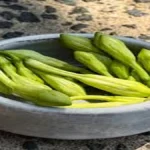
Loroco is an edible flower bud harvested from a perennial vine native to Central America. The buds are small, green, and tightly closed when picked, releasing a distinctive aroma that is often described as herbal, nutty, and slightly floral. Unlike decorative edible flowers, loroco is primarily valued for its intense flavor rather than its appearance.
The plant grows as a climbing vine with glossy leaves and clusters of buds that must be harvested at the right moment. If left too long, the buds open into white flowers and lose their culinary value. This timing makes loroco a labor intensive crop that requires experience and careful attention.
Botanical Background and Origin
Loroco originates in Central America, particularly in El Salvador, Guatemala, and Honduras. Botanically, it belongs to the dogbane family, a group of plants known for their hardy vines and aromatic flowers. The plant thrives in warm, tropical to subtropical climates with well drained soil and plenty of sunlight.
Historically, loroco was foraged before it became a cultivated crop. Indigenous communities recognized its flavor and nutritional value long before modern agriculture took interest. Over time, farmers learned to domesticate the vine, train it along fences or trellises, and harvest buds repeatedly throughout the growing season.
Cultural Significance in Central America
Loroco is deeply woven into Salvadoran identity. For many families, it is not just an ingredient but a symbol of home, tradition, and continuity. Dishes made with loroco are often served at family gatherings, festivals, and celebrations.
i have noticed that for Salvadorans living abroad, loroco carries emotional weight. Frozen or jarred loroco imported to other countries becomes a bridge to memory, connecting people to childhood meals and family kitchens. This emotional connection has helped sustain demand for loroco even outside its native region.
Flavor Profile and Aroma
The flavor of loroco is difficult to compare directly to other ingredients. It has a savory depth with herbal notes, a mild bitterness, and a floral aroma that becomes more pronounced when heated. When cooked, loroco releases oils that perfume the entire dish.
Some describe the taste as a mix of broccoli, artichoke, and wild herbs, but that comparison never fully captures its uniqueness. Loroco does not dominate a dish aggressively. Instead, it integrates, enhancing cheese, eggs, meats, and grains with a subtle yet unmistakable identity.
Traditional Culinary Uses
Loroco in Pupusas
The most famous use of loroco is in pupusas, the thick corn tortillas that define Salvadoran cuisine. This is usually mixed with cheese, creating a filling that melts and releases fragrance as the pupusa cooks on a griddle. This combination is widely regarded as one of the most iconic flavors in El Salvador.
Soups and Stews
Loroco buds are often added to soups and stews, where they provide aromatic depth. The buds are typically added near the end of cooking to preserve flavor. In chicken or vegetable broths, adds a green, savory note that elevates simple ingredients.
Rice and Egg Dishes
Another traditional use involves mixing chopped into rice or scrambled eggs. These dishes are common in everyday meals, showing that is not reserved only for special occasions but also valued in daily cooking.
Modern and International Cooking Applications
As global chefs explore regional ingredients, loroco has found its way into modern kitchens. Creative uses include loroco’s infused sauces, savory pastries, and even gourmet flatbreads. Chefs often pair with mild cheeses, cream based sauces, or eggs to let its aroma shine.
i have seen loroco’s used as a filling for empanadas, blended into compound butter, and folded into risottos. These adaptations respect the ingredient while allowing it to speak in new culinary languages.
Nutritional Value of Loroco
This is more than a flavorful addition. It also offers nutritional benefits. The buds contain dietary fiber, which supports digestion, along with vitamins such as vitamin C and certain B vitamins. They also provide minerals including calcium and iron in modest amounts.
While this is not consumed in large quantities, its nutrient density adds value to meals. Traditional diets often relied on such ingredients to complement staple foods like corn and beans, creating balanced nutrition through variety.
Health Benefits and Traditional Beliefs
In folk traditions, loroco’s has been associated with digestive support and general wellness. Some communities believe it helps stimulate appetite and improve digestion. While modern science has not fully explored these claims, the plant’s fiber and micronutrients align with these traditional beliefs.
i find it interesting how many cultures develop intuitive understandings of food benefits long before scientific validation. Loroco fits well into this pattern of practical knowledge passed down through generations.
Growing at Home
Climate and Soil Requirements
Loroco’s grows best in warm climates with temperatures that stay above mild levels year round. It prefers well drained soil enriched with organic matter. Too much water can damage roots, while too little can reduce bud production.
Planting and Training
The vine requires support, such as a trellis or fence, to grow effectively. Once established, it can produce buds multiple times a year. Pruning encourages new growth and increases yield.
Harvesting Buds
Harvesting loroco is a skill. Buds must be picked when they are firm and closed. If harvested too early, flavor is underdeveloped. Too late, and the bud opens into a flower, losing its culinary appeal.
Commercial Production and Trade
Loroco production remains largely regional, but demand has grown internationally due to migration and culinary curiosity. Fresh loroco is highly perishable, which limits export. As a result, most international markets rely on frozen or preserved loroco.
Farmers often sell loroco locally or to ‘sprocessors who freeze the buds shortly after harvest. This process helps retain flavor while extending shelf life. The trade provides important income for small farmers in rural Central America.
Preservation Methods
Freezing
Freezing is the most common method for preserving loroco. Buds are cleaned, lightly blanched in some cases, and frozen quickly. This method maintains aroma and texture better than drying.
Pickling and Canning
Some producers preserve loroco in brine or oil. While this changes the flavor profile, it allows for long term storage without freezing. Pickled is often used as a condiment or flavor accent.
Challenges in Loroco Cultivation
Loroco’s farming faces challenges such as pests, climate variability, and limited access to agricultural support. Because it is a niche crop, research and extension services are less developed compared to staple crops.
Another challenge is labor intensity. Harvesting buds requires careful manual work, which increases costs. Despite these challenges, demand continues to make cultivation economically worthwhile for many growers.
Environmental Impact and Sustainability
Loroco’s vines can be grown in mixed cropping systems, reducing the need for monoculture farming. This approach supports biodiversity and soil health. When grown traditionally, requires minimal chemical inputs.
i appreciate how traditional agricultural practices often align with sustainability principles. Loroco’s cultivation, when done responsibly, fits well into environmentally conscious food systems.
Loroco in Diaspora Communities
For Central Americans living abroad, loroco is a culinary anchor. Specialty stores often stock frozen meet demand. Restaurants serving Salvadoran food prominently feature loroco’s dishes to attract customers seeking authentic flavors.
This diaspora driven demand has helped preserve the crop’s relevance and introduced it to new audiences who may not have encountered it otherwise.
Economic Importance for Rural Communities
provides supplementary income for small farmers, particularly women who often manage harvesting and local sales. Because the vine produces repeatedly, it offers ongoing revenue rather than a single harvest cycle.
In regions where economic opportunities are limited, loroco’s cultivation contributes to household stability and food security.
Common Mistakes When Cooking Loroco
One common mistake is overcooking. Excessive heat can dull loroco’s aroma and introduce bitterness. Another mistake is using too much at once, which can overwhelm other flavors.
i recommend treating as a highlight ingredient rather than a bulk vegetable. A small amount goes a long way.
Pairing Loroco With Other Ingredients
Loroco’s pairs exceptionally well with dairy, especially mild cheeses. Eggs, corn based dishes, and simple proteins like chicken also complement its profile. Acidic ingredients should be used carefully, as they can overpower its delicate aroma.
Loroco Versus Other Edible Flowers
Unlike edible flowers used primarily for decoration, This is valued for substance. It withstands cooking and integrates deeply into dishes. This sets it apart from flowers that lose flavor when heated.
Future of Loroco in Global Cuisine
As interest in regional and indigenous ingredients grows, loroco’s has potential to gain broader recognition. Its unique flavor and cultural story align with trends toward authenticity and sustainability.
i believe loroco’s future lies not in mass commercialization but in thoughtful expansion that respects its origins and the communities that cultivate it.
Conclusion
i see loroco as more than a food ingredient. It is a cultural expression, an agricultural tradition, and a flavor that carries history in every bite. From humble vines climbing rural fences to plates in international kitchens, loroco’s continues to tell a story of place, resilience, and taste. Understanding means appreciating how food connects people to land, memory, and identity, and that is what makes this small green bud truly extraordinary.
FAQs
1. What does loroco taste like
Loroco has a savory, herbal flavor with mild floral notes. It is aromatic rather than sweet.
2. Is loroco eaten raw
Loroco is usually cooked. Cooking releases its aroma and improves texture.
3. Can loroco be grown outside Central America
Yes, loroco can grow in similar climates, particularly warm regions with mild winters.
4.Why is loroco often sold frozen
Fresh loroco spoils quickly. Freezing preserves flavor and allows export.
5. Is loroco healthy
Loroco provides fiber, vitamins, and minerals, making it a nutritious addition to meals.