I have always been fascinated by how people define beauty and why certain faces or personalities seem to attract more attention than others. Over time, I realized that attractiveness is not just about physical features. It blends biology, psychology, culture, and even technology. In this article, I explore the concept of the test of attractiveness, what it means, how it is measured, and why it matters in modern society.
Understanding the Concept of Attractiveness
Attractiveness refers to the qualities that make a person appealing to others. These qualities can be physical, emotional, intellectual, or social. While many people associate attractiveness with facial beauty or body shape, researchers have shown that attraction is far more complex.
A test of attractiveness generally means any method used to measure or evaluate how appealing someone appears to others. These tests can be informal, like asking friends for opinions, or formal, like psychological studies and digital algorithms that analyze facial features.
Attractiveness often influences first impressions, social opportunities, career advancement, and romantic relationships. However, it is important to understand that attractiveness is subjective and shaped by many factors.
The Science Behind Physical Attractiveness
Facial Symmetry
One of the most studied elements in attractiveness research is facial symmetry. Scientists believe symmetrical faces are perceived as more attractive because they may signal good health and genetic stability. When both sides of the face are proportionate and balanced, observers often interpret it as visually pleasing.
However, perfect symmetry is rare. Slight asymmetry is natural and does not necessarily reduce attractiveness. In fact, minor imperfections can make a face more unique and memorable.
Proportions and the Golden Ratio
Researchers sometimes connect attractiveness to mathematical proportions, particularly the golden ratio, a mathematical concept often associated with aesthetic harmony. Some studies suggest that faces whose features align closely with this ratio are often rated as more attractive.
Still, beauty cannot be reduced to mathematics alone. Cultural standards and personal preferences significantly influence what people consider beautiful.
Clear Skin and Health Indicators
Clear skin, bright eyes, and healthy hair are often associated with attractiveness. These traits may subconsciously signal youth and vitality. From an evolutionary perspective, humans may have developed preferences for traits that suggest good health.
Psychological Dimensions of Attractiveness
Physical appearance is only one part of attractiveness. Psychological traits play an equally powerful role.
Confidence and Body Language
Confidence can dramatically influence perceived attractiveness. A person who maintains eye contact, stands upright, and speaks clearly often appears more appealing than someone with similar physical features but low confidence.
Body language communicates emotional state and self assurance. Open posture, relaxed gestures, and natural smiling can enhance how attractive someone appears.
Personality Traits
Research in social psychology shows that traits such as kindness, humor, intelligence, and empathy increase attractiveness. A person may not stand out physically at first glance, but a warm and engaging personality can quickly elevate their appeal.
This effect is sometimes called the halo effect, where positive personality traits influence how people perceive physical attractiveness.
Emotional Intelligence
Emotional intelligence, the ability to understand and manage emotions, also contributes to attractiveness. Individuals who listen actively and respond thoughtfully tend to create stronger connections, which increases their perceived appeal.
Cultural Influences on Attractiveness Tests
Attractiveness standards vary widely across cultures. What is considered beautiful in one region may not hold the same value elsewhere.
In some cultures, lighter skin tones are favored, while in others, tanned skin is considered attractive. Body shapes, facial features, hairstyles, and clothing styles also differ according to cultural norms.
Media plays a powerful role in shaping beauty standards. Celebrities, influencers, and advertising often define trends that influence how people evaluate attractiveness.
Evolutionary Perspective on Attraction
From an evolutionary standpoint, attraction may have developed to support survival and reproduction. Humans may unconsciously prefer traits that signal fertility, strength, and good health.
For example:
- Clear skin may indicate absence of disease.
- Symmetry may suggest stable development.
- Youthful features may signal reproductive potential.
While these factors may have influenced early human attraction, modern society has expanded the concept to include emotional compatibility and shared values.
Social Experiments and Attractiveness Testing
Psychologists have conducted numerous studies to understand attractiveness.
Rating Studies
In many experiments, participants are shown photographs and asked to rate attractiveness on a scale. Researchers then analyze patterns in the ratings to determine common preferences.
These studies often reveal that while some traits are widely preferred, individual differences remain strong.
Speed Dating Research
Speed dating experiments provide real world data on attraction. Participants meet multiple people briefly and indicate whom they would like to see again. These studies show that confidence, warmth, and conversation skills often matter more than physical appearance alone.
The Matching Hypothesis
The matching hypothesis suggests that individuals tend to pair with others of similar attractiveness levels. This pattern may reflect social balance and self perception.
Online Attractiveness Tests and AI
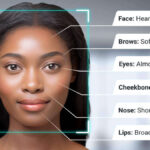
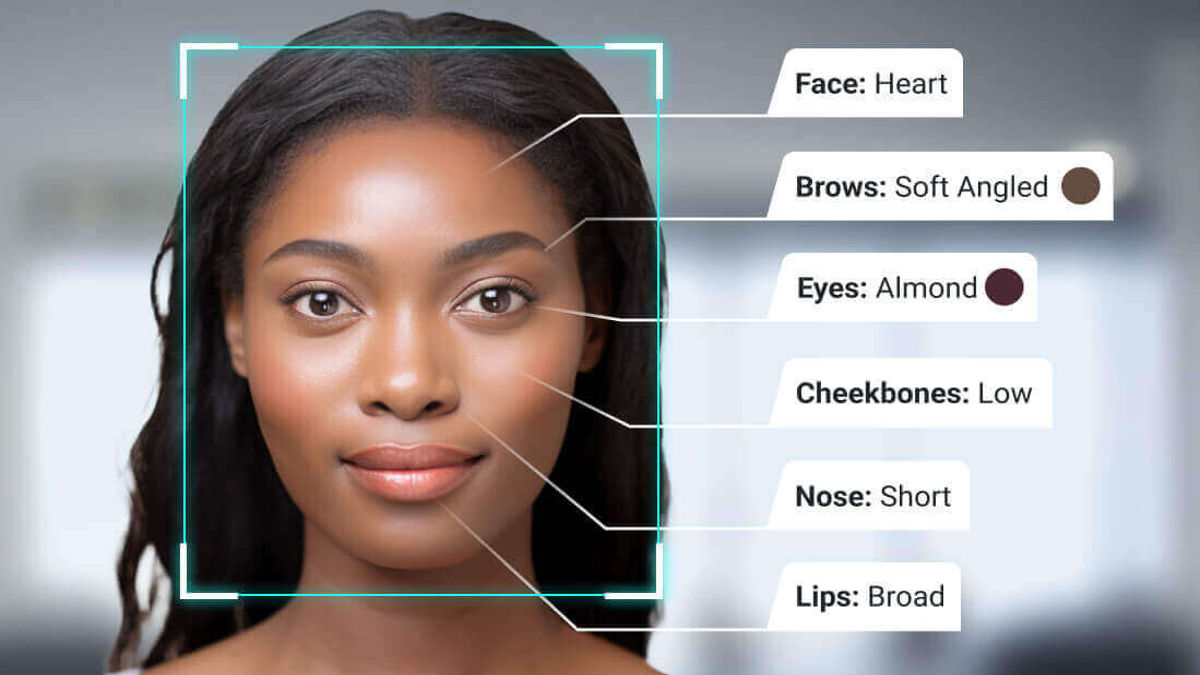
In the digital age, online attractiveness tests have become popular. These tools often use artificial intelligence to analyze facial symmetry, proportions, and other features.
While these platforms may provide entertaining results, they should not be considered scientifically definitive. Algorithms rely on datasets that may reflect specific cultural biases. As a result, their ratings may not represent universal standards.
Artificial intelligence systems are trained on large sets of images labeled by humans. If those labels contain bias, the system may replicate those biases.
The Role of Self Perception
Self perception significantly affects attractiveness. People who view themselves positively often project greater confidence and warmth, which enhances how others perceive them.
Conversely, negative self image can reduce social ease and affect interactions.
Improving self perception may involve:
- Practicing self care
- Developing skills and hobbies
- Maintaining physical health
- Cultivating supportive relationships
Self acceptance often leads to authentic confidence, which is widely attractive.
The Impact of Attractiveness in Society
Attractiveness can influence social outcomes in various ways.
The Beauty Premium
Research suggests that attractive individuals may receive certain advantages, sometimes called the beauty premium. These can include higher salaries, more job opportunities, and more positive evaluations.
However, this effect is not universal and varies by context. Skills, education, and experience remain crucial factors in professional success.
Social Bias
While attractiveness can provide advantages, it can also create unrealistic expectations and social pressure. Media representations may lead individuals to compare themselves unfavorably to edited or curated images.
Understanding that attractiveness is multidimensional helps reduce harmful comparisons.
Measuring Attractiveness: Methods and Limitations
There is no single objective test of attractiveness. Different methods include:
- Surveys and rating scales
- Biometric analysis of facial features
- Behavioral studies of social interaction
- Self assessment questionnaires
Each method has limitations. Surveys depend on subjective opinions. Biometric tools may ignore personality factors. Behavioral studies are influenced by context.
Attractiveness is dynamic and situational. A person may appear highly attractive in one setting and less so in another depending on mood, clothing, environment, and interaction quality.
Attractiveness Beyond Appearance
True attractiveness often combines multiple elements:
Style and Grooming
Clothing choices, hygiene, and personal grooming can significantly affect perception. Style allows individuals to express identity and enhance features.
Communication Skills
Clear speech, attentive listening, and engaging storytelling contribute to attractiveness in both social and professional settings.
Shared Values
In long term relationships, shared values and compatibility often outweigh initial physical attraction.
The Influence of Social Media
Social media platforms have transformed how people test and perceive attractiveness. Likes, comments, and followers can create a sense of validation or insecurity.
Filters and editing tools may distort realistic standards. This can lead to comparison anxiety and dissatisfaction.
Developing digital literacy and critical awareness helps individuals understand that online images rarely represent everyday reality.
The Ethical Concerns of Attractiveness Testing
Attractiveness testing raises ethical questions.
- Does rating people reduce them to appearance?
- Can AI reinforce stereotypes?
- Should beauty be quantified?
Many experts argue that while research helps us understand social behavior, individuals should not be defined by numerical ratings.
Promoting diversity and inclusion challenges narrow definitions of beauty.
Improving Perceived Attractiveness
While genetics influence appearance, many aspects of attractiveness are within personal control.
Physical Health
Regular exercise, balanced nutrition, and adequate sleep improve appearance and energy levels.
Positive Mindset
Optimism and gratitude enhance emotional presence.
Social Skills Development
Practicing conversation and empathy strengthens connections.
Personal Growth
Learning new skills and pursuing passions increase confidence and individuality.
Attractiveness grows when individuals feel fulfilled and authentic.
Attractiveness in Different Life Stages
Attractiveness evolves over time. Youth often emphasizes physical features, while maturity highlights wisdom, stability, and emotional depth.
Different life stages bring different qualities to appreciate.
Scientific Debates and Future Research
Researchers continue to debate how much of attractiveness is biological versus cultural.
Future research may explore:
- The impact of virtual reality on attraction
- Cross cultural comparisons
- Long term effects of social media exposure
- AI fairness in facial analysis systems
As technology advances, society must balance innovation with ethical responsibility.
Conclusion
The test of attractiveness is not a simple formula or fixed standard. It blends biology, psychology, culture, and individual perception. While physical traits like symmetry and proportion influence first impressions, personality, confidence, and emotional intelligence often determine lasting appeal.
I believe understanding attractiveness in a holistic way empowers individuals to focus on growth rather than comparison. True attractiveness emerges when physical health, emotional depth, authenticity, and kindness come together.
Rather than seeking validation through numerical tests or online ratings, developing confidence, empathy, and self acceptance creates genuine and lasting attractiveness.
Frequently Asked Questions
1. What is a test of attractiveness?
A test of attractiveness refers to any method used to evaluate how appealing a person appears to others. It can include informal opinions from friends, psychological research studies, surveys, or AI based facial analysis tools. These tests attempt to measure physical appeal, personality traits, or social presence.
2. Are attractiveness tests scientifically accurate?
Most attractiveness tests are based on subjective judgment. While scientific studies may analyze facial symmetry, proportions, or behavioral traits, personal preference and cultural background still play a major role. No test can fully measure attractiveness in an absolute way.
3. Do online beauty rating apps really work?
Online apps that rate beauty usually rely on artificial intelligence to analyze facial features. They measure symmetry, spacing of features, and proportions. However, these tools are limited by the data they are trained on and may reflect cultural or algorithmic bias. Their results should be viewed as entertainment rather than factual assessment.
4. Is facial symmetry the most important factor in attractiveness?
Facial symmetry is one factor commonly linked to perceived attractiveness because it may signal health and balanced development. However, it is not the only factor. Confidence, personality, grooming, and emotional intelligence often influence how attractive someone appears in real life.
5. Can personality increase attractiveness?
Yes, personality can significantly increase perceived attractiveness. Traits such as kindness, humor, empathy, and confidence can make someone more appealing over time. Many studies show that emotional connection can outweigh physical appearance.
6. Does culture affect attractiveness standards?
Absolutely. Beauty standards vary widely across cultures. Preferences for skin tone, body type, facial features, and fashion differ depending on social norms, traditions, and media influence. What is considered attractive in one region may not be viewed the same way elsewhere.
7. Are attractiveness ratings the same for everyone?
No. Although some features are commonly preferred, individual taste varies greatly. Personal experiences, upbringing, and values shape how someone defines attractiveness.
8. Does attractiveness impact career success?
Research suggests that attractive individuals may experience certain advantages, sometimes referred to as the beauty premium. However, skills, qualifications, experience, and work ethic remain far more important in long term professional success.
9. Can someone improve their attractiveness?
Yes. While genetics influence physical features, many aspects of attractiveness are within personal control. Good hygiene, healthy lifestyle habits, stylish clothing, confident body language, and strong communication skills can enhance overall appeal.
10. Are attractiveness tests harmful?
They can be, depending on how they are used. Constant comparison or obsession with numerical ratings may damage self esteem. It is important to remember that attractiveness is multi dimensional and cannot be reduced to a single score.